DMSO Heals the Lungs and Cures Chronic Respiratory DiseasesHow DMSO treats Asthma, COPD, Pneumonia, ARDS and Pulmonary Fibrosis
Story at a Glance: •Chronic respiratory diseases, while quite profitable, remain an area that medicine struggles with, and as such many with them are subjected to a life of healthcare expenses, impaired stamina, and in many cases, a painful decline until they succumb to the illness. •DMSO is an “umbrella remedy” capable of treating a wide range of challenging ailments due to its combination of therapeutic properties (e.g., reducing inflammation, improving circulation, and reviving dying cells). •Many of these properties (e.g., reducing fibrosis and inflammation, restoring damaged organs, improving circulation) are uniquely suited to address the underlying causes of chronic respiratory diseases. •DMSO
is also quite useful for addressing the infections that frequently
accompany these disorders, as it has antimicrobial activity, reduces
damaging lung inflammation, and potentiates many antimicrobial therapies
(e.g., many untreatable resistant respiratory infections rapidly
respond to DMSO mixed with an antibiotic and many individuals have cured
a chronic illness by combining DMSO with a natural antimicrobial). • This article will review the data demonstrating DMSO’s efficacy for lung diseases, along with an examination of the most common protocols used for them and other natural approaches that also aid in their treatment (e.g., for asthma, COPD, and pulmonary fibrosis). It will also provide guidelines for general DMSO procurement and use. Since childhood, I have known numerous smokers who had slow agonizing deaths from COPD (chronic obstructive pulmonary disease), which were often quite traumatic for their family and friends, particularly as they became increasingly disabled from their loss of respiratory function. Once
I entered medicine, I saw the other half of this and lost count of how
many COPD patients were subjected to the same medical protocols (which
they often could not refuse as people will do anything to be able to not
suffocate), and then be hospitalized either for a COPD exacerbation or
pneumonia (a common COPD complication) making them unable to breathe,
and before long enter a cycle of ever more frequent repeat
hospitalizations until they die. As such, when I later learned that the lungs concentrate a coating of glutathione (at levels 100 times that in other parts of the body) to protect them from damage, and that restoring this coating with nebulized glutathione could (without side effects) prevent further progression of COPD, I was overjoyed (e.g., see this study and this study or the even more dramatic results when used for a COPD exacerbation). Unfortunately, this idea never caught on, and most of my conventional colleagues were not open to it (although I’ve come across many integrative doctors and naturopaths over the years who offer it for both COPD and chronic damage from wildfire inhalation). To some extent, this is to be expected, as, like many businesses, medicine revolves around recurring sales, and COPD is one of its core markets (as COPD patients are on medications for life and often need more of them as the disease progresses). This in turn, helps to explain why chronic diseases of the respiratory tract are the fourth most common cause of death in the United States, and in the United States alone, 24 billion dollars was spent on COPD in 2023. In short, this is not a market that the medical industry will ever willingly relinquish, regardless of the suffering that is created. Note: pneumonia and COPD are two of the most common reasons for hospital admissions. Asthma is in a similar situation, as while not fatal or anywhere as likely to send one to the hospital (admissions for asthma exacerbations are around 0.7% of hospital admissions), it requires the chronic consumption of similar medications, makes over 40 billion a year (and increasing at 4.4% annually, is a frequent source of hospital admissions (for asthma exacerbations), and despite all the money that’s been poured into it, asthma rates keep going up (e.g., in 1999 9.1% of Americans had ever been diagnosed with asthma whereas in 2022 44.2 million Americans had). Umbrella RemediesIn medicine, there are a few therapies (e.g., ultraviolet blood irradiation) that have the ability to cure a wide range of diseases, and as such are referred to as “umbrella therapies.” This is because, amongst other things, they address the root causes of many illnesses such as poor circulation throughout the body, inflammation, and cells entering a state of shock where they stop functioning and eventually die. DMSO, in turn, has repeatedly been shown to be remarkably effective for a wide range of disorders including:
Note: most of the above have also been shown for ultraviolet blood irradiation. Likewise, similar data exists for ozone, another umbrella remedy that I plan to focus on once the DMSO series is finished. Additionally, DMSO possesses a unique ability to enhance the absorption of medications and natural therapies by facilitating their passage into the body. This property has transformed the way conventional and natural medicine is practiced, opening up nearly limitless possibilities for incredible therapeutic combinations (discussed here), and most importantly, DMSO is extremely safe (provided it's used correctly). As such, a wealth of data (detailed in the above articles) has accumulated, showing DMSO has a high rate of efficacy in a wide range of conditions. Since DMSO was widely available, it quickly spread like wildfire across America in the 1960s (particularly due to how rapidly it alleviated “incurable” pain). Regrettably, the FDA then stepped in and went to war with DMSO to protect the status quo. In the decades that followed, despite the public, the scientific community, and Congress petitioning the FDA to rescind their prohibition on DMSO, it all fell on deaf ears. In turn, this continued until the 1994 DSHEA act (passed in response to the public outrage over the FDA raiding supplement providers at gunpoint) simply took away the FDA’s ability to regulate natural medicines that DMSO was able to re-enter the marketplace. Still, sadly by this time, despite thousands of studies supporting its use, many American pharmaceutical products using DMSO and it being widely used outside the United States, DMSO had become another forgotten side of medicine. As what they did to DMSO has always really bothered me (particularly due to its ability to rescue people from a life of debility after strokes or spinal cord injuries), I decided to try publicizing it here and do all that I could to give the strong case for its use. Due to the trust this publication has created, many readers here were willing to try it. Much like the 1960s, when it first emerged, it rapidly caught on (e.g., despite my best efforts to prevent this, there have been numerous DMSO supply shortages—a few of which have led to my colleagues being quite upset with me) since that time. Just as miraculous, I've received numerous testimonials from readers around the world about the life-changing effects DMSO has had on them. Recognizing the importance of not letting these stories become forgotten, I’ve devoted a significant amount of time to compiling them all here. While I know I’ve missed a lot (since they appear in so many places), there are now over 3,000 of them. The majority of those testimonials match the well recognized functions of DMSO, but at the same time, I’ve received many astonishing ones I had not anticipated, and come to realize that in many cases, DMSO is a better (particularly in regards to cost) therapy than what I had long been using to treat many different conditions. Put differently, since there are so many different applications of DMSO, I would have never become aware of some of them had I not unearthed and reviewed tens of thousands of pages of literature in the process of compiling this series, and for that reason, I’m immensely grateful I did! In those testimonials, one of the things that caught my eye was that numerous people shared that DMSO had either improved or reversed their COPD (or pulmonary fibrosis). These chronic, debilitating lung conditions are very difficult to treat within the standard medical paradigm. One reader for example, Rebecca Cunningham, shared that DMSO had saved her beloved neighbor from COPD (“I am LITERALLY watching a miracle happen”, and after an X post I made about it went viral, decided to make a short and to the point video about what had happened and how profound it was to both her and her neighbor. I was deeply moved by it and realized I needed to write an article on this topic, as it encapsulates what many are suffering through and what those close to them experience.  His experiences were not unique, and I have received many similar stories (most of which can also be viewed online where they were posted). To make this as concise as possible, I condensed these details to their essentials (e.g., many readers expressed their sincere appreciation and valued their subscriptions, which I appreciate; however, I removed these comments from the article’s body). One of the things I find noteworthy about these is how often they had not intended to cure their lung issue, but rather it happened incidentally while using DMSO for something like pain (which mirrors how the early DMSO investigators incidentally discovered DMSO restores lost eyesight).
Pulmonary DMSO DataA few months ago, while researching DMSO combination therapies, I realized the German DMSO community had done the most work in this area (particularly in regards to natural therapies) and began extensively studying their work. In parallel, about a month ago, I realized there was a way to access and summarize thousands of DMSO studies from Russia, China, Germany, and South America, so most of my focus recently has gone into trying to compile it (along with the similar data on UVBI). From that, I discovered that there is a lot more data supporting the use of DMSO (and UVBI) in a wide range of lung conditions than I had originally anticipated. Likewise, I have found many studies showing UVBI produces similar effects to those detailed below for DMSO. Note: doing this is exhausting, but for the next few years I plan to continue, in part because it’s helping a lot of people, but more importantly because right now (due to RFK, MAHA, and the Republican push to reduce deficit spending) is the best chance we will have in our lifetimes for these immensely cost-saving therapies to be adopted. As such, I want to give each of them the best chance to succeed, and as the DMSO experience shows, if you clearly present the forgotten data in a relatable manner, forgotten truths can quickly go viral. Lung InjuryDMSO’s
ability to rescue damaged cells from death, stabilize cell membranes,
reduce harmful inflammatory processes (which often set in after injuries
or loss of blood), and restore the microcirculation have allowed it to
be invaluable for a myriad of diseases within the internal organs (e.g.,
pancreatitis, liver cirrhosis, or infarctions to any organ). As such,
DMSO also protects the lungs from devastating injuries. Supporting studies include: •DMSO was found to prevent significant inflammation and tissue injury, which follows a significant traumatic impact on the lungs. •In mice exposed to lethal radiation doses, oral DMSO prior to DMSO allowed all to survive, and protected many parts of the body including the lungs. •IDMSO prevented injuries from respiratory anoxia (being unable to breathe air in). •In rats with lung injury
caused by blood flow loss and restoration, treatment with 5% DMSO
reduced lung swelling, lowered harmful inflammation markers, and
decreased mitochondrial DNA release, helping protect lung tissue by
calming the body's inflammatory response. Separately, DMSO (5% at 5
ml/kg) given two hours before the injury, reduced lung tissue swelling
and damage, [lowered the wet-to-dry weight ratio] inflammation, and
inflammatory markers (IL-6, IL-8, TNF-α), while lowering harmful
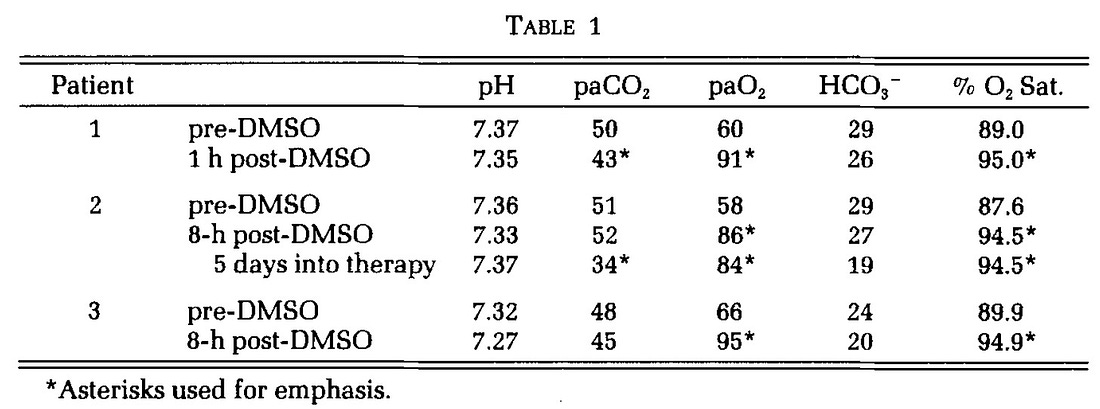
mitochondrial DNA expression1,2 •DMSO was found to prevent lung injury from hemorrhagic shock (significant blood loss) and transfusing lost fluids back into the circulation. Note: I have also seen a few reports of people improving pulmonary emboli with DMSO, such as by applying to the site of a known clot (which if you decide to do so, must be done in conjunction with conventional care as PE’s are life-threatening). COPD and Pulmonary FibrosisAs the previous section shows, these properties strongly suggest DMSO can counteract many of the disease processes which cause the lungs to fail. Furthermore, as mentioned before, significant data shows DMSO can often revive failing tissues or organs,1,2 reduce inflammation, and effectively reduce fibrosis throughout the body. As such, DMSO has been repeatedly shown to improve lung fibrosis: •DMSO at 0.5-3%, in a dose dependent fashion, roughly halved the proliferation of fibroblast cells, suggesting it could reduce the fibrosis seen in chronic lung diseases. •In 82 Wistar rats with experimentally induced silicosis, DMSO (2 ml/kg) reduced pulmonary fibrosis, lowering hydroxyproline (from 84.85 mg/g vs. 1243.27 mg/g) and malondialdehyde levels and normalizing lung white blood cell counts. •DMSO reduced chronic pulmonary fibrosis, particularly when combined with zinc. Likewise, beyond preventing damage to the lungs, DMSO’s healing properties have been shown to address the most critical aspect of chronic lung diseases, the inability to bring oxygen into the body: •DMSO was found to prevent oxygen deprivation and inability to exchange gasses through the lungs, which results from an Ehrlichia ruminantium infection (which is typically fatal). •For older patients with chronic respiratory insufficiency (leading to chronically low blood oxygen levels, elevated carbon dioxide levels, and an abnormal acid base balance, especially during exercises) due to issues in the lungs or bronchi, daily intramuscular DMSO was found to bring about a recovery without the need for hospitalization in 35/43 (81%). Note: other studies have also shown that DMSO helps with chronic non-specific lung diseases. Toxic Exposures
Note: I have also read a report of DMSO curing a chronic lung issue following a Teflon inhalation (from a heated pan). In many cases, chronic lung issues come from either severe respiratory exposure to a toxin or numerous small ones. For example, I know numerous people who developed chronic lung issues or had exacerbations of existing chronic neuroimmune illnesses after exposure to wildfire smoke. Extensive research from Hawaii has shown the majority of those in the Lahaina fire two years later still have symptoms (e.g., headaches, dizziness, weakness, breathing issues, sore throats, eye irritation, chest pain or tightness, nausea, vomiting, anxiety and suicidal thoughts).1,2 As such, there is significant evidence particulate matter exposure (e.g., from car exhaust, air pollution, or cigarettes) damages the blood vessels and is well known to increase cardiovascular disease and death.1,2,3 Coal miners with a high coal particulate exposure for example, are more than twice as likely to die from heart disease, and in rats, coal dust inhalation has been found to cause atherosclerosis. Likewise, dense wildfire smoke exposure has been shown to increase ER visits amongst adults 65 and older by 42 percent for heart attacks and 22 percent for ischemic heart disease. Additionally, I believe part of this is due to smoke particles having a positive charge, which both impairs zeta potential (what makes essential circulation possible within the body), and reduces the motion of cilia in the airway (demonstrated by a pivotal 1958 study
of positive and negative ion airway exposure), making the body unable
to clear harmful particulates from the airway—an issue also well
recognized to occur in chronic smokers.1,2,3,4,5,6,7 In turn, DMSO has been shown to significantly reduce the damage caused by airway toxins. For example: •After sheep experienced a lung injury from inhaling smoke, nebulized DMSO (with heparin) was found to reduce the damage to their lungs significantly. •In human lung cells, cooking oil fume condensate caused genetic damage, increasing DNA breaks, micronucleus frequency, and multinucleated cells—which DMSO effectively reduced. •Giving DMSO before alloxan (a toxin) was found to prevent the inflammation, cellular damage, and edema alloxan causes in the lungs. •Many disinfectants have been created by combining them with DMSO. One which combined formaldehyde vapor with DMSO, beyond being more potent was less irritating to the lungs than formaldehyde alone. •In human lung cells exposed to harmful cigarette smoke, a mixture of tea polyphenols and DMSO provided strong protection by significantly reducing DNA damage, chromosome abnormalities, and gene mutations, showing that DMSO combined with antioxidants can help shield cells from smoke-related genetic harm. Since smoking is quite challenging to quit, this hence implies DMSO could be taken to counteract the harmful effects of that habit. I do not believe this is wise, as one study that combined DMSO soluble particles with cigarette smoke found low doses protected the vascular smooth muscles. In contrast, higher doses (which would likely be exceeded with chronic smoking) increased the harm and cell death in the blood vessels. As such, I believe if someone with COPD plans to implement a DMSO nebulization protocol, they must first be done with smoking. Depleted UraniumVarious isotopes of uranium exist. While all are radioactive, only 0.7% is U-235, the type that undergoes chain nuclear reactions. As such, most nuclear technologies rely upon obtaining large amounts of uranium and extracting the U-235 for either for nuclear power or nuclear weapons (which is hard to do and hence why most countries lack the enrichment capacity to make nuclear weapons). Because of this, a lot of (still radioactive) waste U-238 exists which is referred to as “depleted uranium” or DU), and over the years, the military realized it was an excellent munition both due to its density (allowing it to destroy lower density metal armors) and it sharpening upon impact. This
process unfortunately causes large amounts of dust. There has been
significant controversy around this, such as DU poisoning being nearly
impossible to cure, it being linked to Gulf War Syndrome along with
cancers and birth defects in the countries where we deployed the
munitions (e.g., in the earlier days of the internet where only flash
videos existed I saw a rather disturbing video about Iraqi babies). I
mention all of this because one of the most unexpected things I
discovered within the Chinese DMSO literature is that they have
repeatedly studied DMSO’s ability to antidote DU poisoning. Respiratory Infections
As I showed here, DMSO is often immensely beneficial for many different infections, particularly when combined with other antimicrobial agents, as DMSO both enhances their ability to penetrate into (and throughout) the body and, by penetrating microbes, remove their antimicrobial resistance. As such, a lot of research (and many readers) has shown DMSO can frequently treat chronic infections or life threatening infections that do not respond to standard treatments, and in many cases, do so by simply being combined with a natural antimicrobial rather than a potentially toxic pharmaceutical drug. As pneumonia is one the top causes of hospital admissions (and hospital deaths), this is quite helpful. Over the years, significant data has accumulated showing this combination is quite beneficial for respiratory infections (particularly since DMSO also reduces the harmful inflammation and edema associated with lung infections). For example, tuberculosis is the most deadly infection in the world, particularly due to its ever increasing. Many lab studies (summarized here) have shown DMSO directly inhibits the bacteria’s growth and increases its sensitivity to the antibiotics used to treat the infection by 3 to 200 times,1,2,3,4 including in bacterial extracts from tuberculosis patients.1,2 Likewise, in guinea pigs with isoniazid resistant tuberculosis, all died despite isoniazid treatment, whereas if DMSO was given prior to it, they all survived. As such, many studies have found that DMSO dramatically improves outcomes for tuberculosis (e.g., in patients with destructive pulmonary and endobronchial tuberculosis who received nebulized antibiotics mixed in DMSO, in children to heal destructive cavities from tuberculosis, and in children who contracted tuberculosis from contaminated vaccines). Likewise, DMSO has been shown to treat acute respiratory diseases (e.g., acute stenosing laryngotracheobronchitis in children and suppurative lung diseases). Similarly, it increases the antibiotic sensitivity of many other lung infections (such as Rhodococcus equi strains isolated from foals). For example, in 2020, a Libyan hospital reported administering 16.67% DMSO and 2.78% ceftriaxone (diluted in saline) via a chest tube or endotracheal cannula to 31 patients with lung abscesses, all of whom experienced complete recovery and no recurrence. Note: many have reported successfully curing chronic lung infections (or coughs or sinusitis) with nebulized DMSO, often mixed with a natural antimicrobial. Most commonly,, this is done with oxidizing therapies (e.g., chlorine dioxide or hydrogen peroxide). If you plan to use these, it is critical to start with low doses and not exceed your lungs tolerance. Acute Respiratory Distress Syndrome (ARDS)ARDS,
a life-threatening condition where the alveoli fill with fluid and then
collapse (which typically follows severe pneumonia), is quite
challenging to treat (and a common reason people end up on ventilators).
Fortunately, many studies have shown DMSO helps the condition: In rats with ARDS, intraperitoneal DMSO maintained blood oxygen levels and superoxide dismutase activity reduced plasma malondialdehyde (MDA) levels. It also reduced plasma protein and red blood cell leakage into the lungs and significantly protected the capillary alveolar lining. When vitamin E was given as well, lung injury further decreased and lung fluid accumulation was also reduced (evidenced by a reduced wet lung-to-body weight ratio). •In hamsters with ARDS, subsequent DMSO reduced the inflammation and fluid in the lungs significantly. Identical results were found in a mouse study (with ARDS being triggered by LPS), while another found DMSO prevented LPS damage, kept all treated mice from dying (whereas 58% of controls died), and maintained the ability of the lungs to produce ATP. In the one human study where DMSO was used for ARDS (given intravenously at concentrations under 10%) it was found to produce a dramatic improvement in all three patients who received it (e.g., one patient’s lungs were completely normal after a week) and prior to receiving DMSO all three were near death. Additionally, in the one case when DMSO was nebulized, the improvement occurred in 1 hour.
Note: another study found that DMSO reduced immune cell infiltration of a lung infection, which can both be beneficial (as it explains how DMSO prevents the immune system from attacking the lungs in severe respiratory conditions), but also problematic if not done in conjunction with an antimicrobial therapy, can leave you inadequately defended against it AsthmaMany readers with asthma have shared DMSO changed their life:
Including on lovely one about their cat:
Note: DMSO authors have also shared numerous asthma stories, and the German DMSO community has reported significant success in treating asthma with DMSO. Some data supports these accounts: •In mice with asthma, DMSO significantly reduced the proportion of TCD4 cells (which in asthma play a key role in airway inflammation and hyperresponsiveness) within their mesenteric lymph nodes).1,2 •A study gave 153 adults (84 men and 69 women) DMSO mixed with a bronchodilator, a steroid, and an antihistamine all administered by intramuscular injections of whom 43 of whom had frequent asthmatic crises (with asymptomatic periods) and 110 with more intense and frequent crises (despite receiving the standard therapies for asthma). After being evaluated for all the standard pulmonary assessments, 37 (24.5%) had an excellent result, 92 (60%) had a good response, while 24 (15.5%) had no change).1,2 •Numerous studies have found DMSO increases the potency of steroids (which are a mainstay of asthma and COPD treatment), making it possible for much lower doses to be used.1,2,3.4 As steroids often have significant toxicity (particularly when used at high doses for prolonged periods), this can be quite useful. Note: there unfortunately are not any other studies I am aware of (other than one on rats that did not find anything particularly relevant), which again highlights that there is so much to study about DMSO most of the needed studies have not been done (due to the FDA ending all research shortly after the scientific community embraced studying as many aspects of DMSO as possible). Fortunately, a great deal of research on UVBI treating asthma has been conducted (which I compiled here). Treating Respiratory Conditions
A variety of methods and protocols exist for using DMSO to treat conditions afflicting the lungs (or sinuses). In many instances, I observe that the concentrations people use are far above what the DMSO community advises, which results in issues for the individuals, but nonetheless persists despite these problems because of the rapid improvement they experience. In turn, as more people have begun experimenting with nebulization (which must be done at a low dose), I felt it was essential to write this article. In the final part of this article, I will review the existing protocols for using DMSO to treat respiratory conditions, along with providing guidance on other treatments for them (e.g., nebulized glutathione) and more general information on how to use DMSO for individuals wishing to use it for other issues (e.g., pain) and where to obtain it (remarkably despite DMSO costing almost nothing, a striking number of counterfeit and scam DMSO products are starting to emerge—which is sadly a testament to the world we live in). Sourcing DMSO:Since there are numerous options when purchasing DMSO, I’ve frequently received many questions about the best brands to use. Of these, I’ve long believed that these are the three best options (and I’ve included Amazon links for your purchase). Note: unless you feel confident in diluting them correctly, opt for the 70% dilution, as that concentration typically works for most people. •Jacob Lab (e.g., this gel or this liquid)—which is 99.98% pure. •The DMSO Store (e.g., this gel or this liquid—which can also be bought directly from www.DMSOStore.com)—which is 99.995% pure (and hence often the most popular for internal applications). •Nature’s Gift (e.g., this gel or this liquid)—which is 99.9% pure. Note: dmso.store is a completely different company than dmsostore.com. When
buying liquid DMSO, I believe it should always be sold in a glass
container unless the plastic container is DMSO resistant (which many are
not—hence why I only recommended buying glass bottles) and likewise
have a DMSO resistant cap. If you buy gel, it’s okay if it’s sold in
plastic. Of the currently existing options, I believe the best choice is to either: •Buy it directly from Jacob lab (which readers have informed me is also shipping DMSO in plastic they claim is DMSO resistant—which it likely is, since Stanley Jacob’s son runs the company, and from talking to him, we know he is very dedicated to continuing his father’s work). Note: I’ve now spoken to numerous people who purchased DMSO from someone promoting it online, and then shared that either they were scammed (nothing arrived after they paid) or the product that arrived wasn’t correct. People who engage in these types of activities tend to gravitate towards whatever is the “hot” item, and since DMSO is the current trend, I believe it is best to go with a longstanding vendor. Additionally, local sources of it (e.g., from Tractor Supply) are more than good enough for people’s immediate needs (e.g., an injury), but not ideal when preparing DMSO combinations (rather, I prefer the higher purity options available). DMSO dosing:One
of the challenges of using DMSO is that there's significant variation
in what each individual responds to best. Because of this, throughout
this series, I attempted to provide a detailed explanation that accounts
for each possibility, which may be too complicated for many readers
(but I still advise reading). Similarly with oral dosing, I’ve had people who: Because of this, you essentially have two options, and have to decide which is right for you: In the previous articles, I’ve advocated for the former. Still, many understandably started with a high dose as they did not want to wait for the results, a few of whom then shared they’d had a skin reaction that made them hesitant to continue using DMSO. Similarly, when using DMSO, there are two common routes of administration: oral and topical. Orally, it is much stronger, but likewise, the GI tract is more sensitive to higher concentrations of DMSO. For this reason, I typically suggest starting with topical DMSO before doing oral DMSO. However, for more systemic issues (e.g., joint pain throughout the body or low energy), oral administration is often necessary (and in many cases works well if done in conjunction with topical DMSO). Likewise, there is a very small risk (1 in 1-2000) of an allergic reaction, so it’s generally advised to begin by patch testing DMSO on the skin before taking it orally.
That said for general DMSO use (without going into all the nuances and additional details), I advise the following:
Note: more detailed instructions on oral (and IV) DMSO use can be found here, while more detailed instructions on topical uses can be found here. The
key point is that everyone has a different tolerance to DMSO. The most
common negative piece of feedback I receive is “I used [a high
concentration of] DMSO, I had a common unpleasant reaction such as
burning [which is frequently seen when too high a DMSO dose is used],
and I never want to use DMSO again.” Regarding
the concentrations used, I generally advise purchasing 70% DMSO because
people rarely react to it (e.g., the DMSO was found to be the
concentration that offered the best balance between safety and
efficacy). It doesn’t require any significant calculations to dose
appropriately (e.g., you can apply it topically as it is, or mix it with
equal parts of purified water to get it to roughly 35%). However, you
can also achieve this with 100% DMSO (e.g., dilute it to roughly 50% by
mixing it with equal parts of purified water, or to roughly 33% by
mixing it with two parts of purified water). Finally, certain parts of
the body, particularly the face, tend to be more sensitive to higher concentrations of DMSO, so you should start at lower strengths in those areas. Additionally, one tricky aspect of dosing DMSO is that it weighs slightly more than water (1 mL of DMSO is 1.1004 grams). Since DMSO has a fairly wide range of tolerability, I’ve bypassed that issue by treating it as having the same density as water and suggesting a slightly lower oral dose. Note: when DMSO is taken orally, the total concentration should always be kept to 20% or less, and ideally, it should be administered slowly after eating a meal. When
applying DMSO topically, there are two options. The first is to use a
liquid that you directly apply (e.g., I like to use paintbrushes made
from natural hairs to dab it on, but sometimes when needed, I just dip
my finger in it and then rub it onto the target area, whereas the DMSO
field often used sprays for sensitive skin conditions). The second is to
use a gel which is rubbed into the skin. Lastly, since many readers have requested it, this is a general guideline on what doses of DMSO tend to be appropriate for each part of the body: Internal Use (Oral):
Note: as DMSO has an unpleasant taste, it is frequently consumed with juice and away from meals. External Use (Skin):
Mucous Membranes:
Injections:
Eyes: 3% isotonic solution (although many go up to 40%). Additionally, when DMSO goes on a more sensitive part of the body (particularly a mucus membrane such as the eyes, colon, oral mucosa, or lungs) it is often quite helpful to dilute it with an isotonic solution so that it does not create osmotic injury to the applied area (although many do not do this and are fine). Presently, some of the most popular (and beneficial) DMSO agents that have been identified include: • Isotonic, 0.9% saline (which can be prepared at home and is widely available). •Nano-filtered
deep-sea seawater (from cleaner regions of the ocean) is one of the
most popular options as it contains many essential minerals, including
those which support cellular transport, a key facet of DMSO’s
therapeutic mechanisms. Typically, either isotonic formulations are
purchased, or it is diluted to one-third of its concentration (by mixing
it with two parts of purified water). •12% magnesium chloride Respiratory ProtocolsFrom reviewing all the existing DMSO information, it appears that: Asthma
frequently responds to topical (often 30-60%) DMSO applied to the front
(and, if possible, the back—which can be accomplished alone with a
spray bottle) of the lungs, orally, or nebulized DMSO. Most of my
readers have achieved success without nebulizing it, but the German
community frequently does so and reports significant results from this
approach. Finally, one reader who has treated his asthma with topical
DMSO shared that the best relief comes from applying it in the morning
after a shower and at night before going to bed. Pulmonary fibrosis appears to respond best to high oral DMSO doses (e.g., 3 teaspoons diluted in water, 1-2 times a day), but there are also numerous reports of topical or nebulized DMSO being beneficial. COPD responds best to nebulized DMSO. However, it also responds to the other options (topical and oral). Pneumonia
and lung infections require nebulized DMSO, preferably mixed with an
antimicrobial agent, of which chlorine dioxide is the most preferred,
followed by colloidal silver and hydrogen peroxide. When using either
CDS or hydrogen peroxide, as they slowly oxidize DMSO (and get reduced
in the process), it is important to prepare them immediately prior to
application. When using colloidal silver, it is essential to use a true
colloid (one that does not contain small silver particulates), as these
particulates (e.g., from homemade colloidal silver or a mediocre brand)
can gradually deposit in the airways. For this reason, I typically
recommend Argentyn 23 for anyone wishing to nebulize colloidal silver. Additionally, these principles can be applied for many other areas:
Nebulizing DMSOI
have seen a very wide range of concentrations people use to nebulize
DMSO (e.g., a few drops in a nebulizer, 1%, 5-10%, 50%, or sometimes
higher). All of these have worked for people, however I believe there
are greater risks with higher DMSO concentrations than are seen in other
modes of application, so it is essential to start at lower
concentrations and gradually increase them and never go above 50%. With DMSO and nebulizing, there are a few key considerations. First,
many nebulizers are made of easily dissolvable plastic. For this
reason, you will likely have one that cannot tolerate higher DMSO
concentrations, and a few readers have reported discovering that DMSO
dissolved their nebulizer’s plastic. As such, this again suggests the
use of low concentrations. Fortunately, the concentrations used for
nebulization (e.g., 1%) are far below those that leach (typically
15-20%). Second, if a too high DMSO concentration is used, the lungs will “burn.” Third, ideally when nebulizing, DMSO should be dissolved in an isotonic solution. Of these, the previously mentioned salt water has been the most popular option. Fourth, some also find that nebulizing dilute CDS, hydrogen peroxide, or colloidal silver very helpful (e.g., particularly when they also have a concurrent infection). I have read many reports of these combined with DMSO creating miraculous cures for conditions like Asthma or COPD, but it is not clear to me from reviewing them if DMSO alone would have also worked. When this is done for non-infectious conditions, it’s often advised to alternate between one and the other. Fifth, a theoretical risk exists for DMSO (especially over 10%) interfering with the surfactant coating the inside of the lungs (hence causing them to collapse and putting a patient into respiratory distress). This has never been shown to happen (either in anecdotal reports or any data—rather nebulized DMSO treated ARDS). However, for this reason, especially in individuals with compromised respiratory function, it is advisable to go slowly and monitor one’s respiratory capacity during the process (e.g., for chest tightening, reduced spirometry function, or with a pulse oximeter). I think it’s more likely than not this is not an issue, particularly since there are a lot of reports on alternative health forums of remarkable results with 1-5% nebulized DMSO (e.g., for COPD, pneumonia, bronchitis. reducing lung inflammation, clearing mucus, and removing microbial infections), and I’ve not come across any adverse ones), but given that one of the more knowledgeable authors I’ve followed emphasized the risk, I feel obligated to repeat it. Note: as I have shown, data exists that demonstrates nebulizing DMSO can be quite beneficial to the lungs. In contrast, a rabbit study found that inhaling 25-50 ml/hr of DMSO for an hour each day for 8 weeks caused pathologic changes in the liver and lungs. While this was a high dose and may have been a rabbit specific issue, nebulizing DMSO has nonetheless often been advised against in the DMSO field (which I believe was due to that rabbit study). The best conclusion I can draw from these conflicting data points is that DMSO should be nebulized at low doses. Nebulized GlutathioneMy California colleague found nebulized glutathione needed to be dosed between 50mg to 200mg a few times per day for each patient experiencing wildfire toxicity. •Many that offer nebulized glutathione use the same (widely available) glutathione that many compounding pharmacies provide for intravenous injection since that was what they had on hand. However, compounding pharmacies also provide preparation of glutathione meant for nebulization. Note: if you do this route, please make sure the glutathione is not preserved with aluminum (as it is terrible for zeta potential). •There are also a few options for purchasing preservative free glutathione that can be nebulized. Of these, I believe the one produced by Thera Naturals is the best option. Unfortunately, while it can be purchased on other websites (Google Reduced L-Glutathione Plus), Thera Naturals is currently out of stock due to the increased demand and hence needs to be contacted for it to be backordered (which I encourage you to do so they increase their supply). Other Natural Respiratory TherapiesOver the years, I’ve seen a lot other therapies help alleviate respiratory conditions. In many cases, increasing the mobility of the lungs (e.g., through full-body breathing exercises or bodywork that improves rib cage mobility) can significantly enhance their function. Additionally, many of the natural treatments for autoimmune disorders such as removing allergens from the diet or reducing stress (which I discussed along with reviewing many other natural approaches here) can often be immensely helpful for airway conditions, particularly asthma. For example, in many cases, over the years, we’ve run into numerous children with asthma who had very stressful (or traumatic) homes. Once they learned self-coping exercises to reduce their stress, their asthma improved. Likewise, in Chinese Medicine, the lungs are considered the organ associated with grief and sadness, and addressing that emotion can sometimes significantly improve respiratory conditions. Additionally, in many cases, asthma is triggered by overt (or silent) reflux irritating the upper airway. This is very easy to treat (discussed here) and should always be considered in asthma cases. Finally, many of the other approaches I’ve focused on here (e.g., improving the physiologic zeta potential or UVBI) can be quite helpful, particularly since when lung function is impaired it becomes more problematic if less blood can reach the lungs. ConclusionWhile medicine is never easy, one of my greatest frustrations was again and again seeing patients I knew could be easily helped with an existing “non-standard” therapy, instead be continually run through a pharmaceutical treadmill which often only made them sicker. Worse still, I found my colleagues would typically be quite hostile to considering an alternative therapy regardless of how I tried to present it. As a result, I feel incredibly blessed that a remarkable confluence of historical events is finally making it possible to bring the forgotten aspects of medicine to the public. If people can achieve miraculous results from easily available treatments that greatly exceed the standard of care, they will share their experiences with others. Especially in the post-pandemic climate we live in, many will listen. I am profoundly grateful to each of you for lending me your support and making this endeavor possible. Thank you. You're currently a free subscriber to The Forgotten Side of Medicine. For the full experience, upgrade your subscription.
|





No comments:
Post a Comment