Psychiatrist
Peter Breggin, MD discusses the dangers of diagnosing and drugging
children with ADHD and the damaging effects of generally psychiatrically
diagnosing and drugging children and better ways to approach children
in distress.
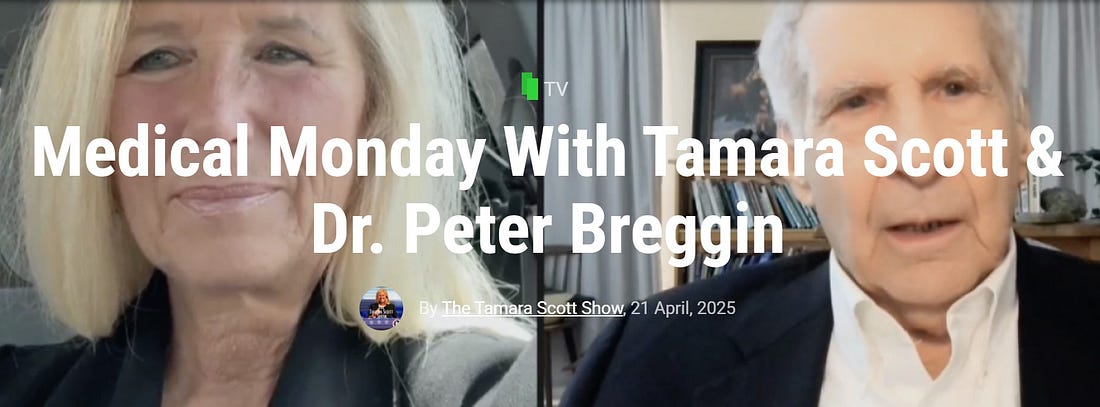
During the interview, Tamara Scott and Peter Breggin discussed a couple of key documents.
Psychiatric Drugs for Children and Youth, A Disaster
Introduction
I have recently published [2014] my most comprehensive scientific article describing the hazards of prescribing psychiatric drugs to children, youth, and young adults.
In
the article, I have called for a prohibition on giving neurotoxic
psychoactive psychiatric drugs to the most vulnerable members of
society. Using stimulants and antipsychotic drugs as the primary
examples, I explain and scientifically document how psychiatric drugs do
far more harm than good for children.
Children
and most young adults are in no position to “consent” to taking these
neurotoxins. Even if mature enough to give consent, their healthcare
professionals never explain how dangerous these drugs can be.
Furthermore,
the brains of children and young adults are still growing, and all
psychiatric drugs are neurotoxins that interfere with the normal
maturation of the brain. We have no drugs to improve the functioning of
the brain, only ways to harm it.
Few
if any young and parents taking antidepressants have been warned that
these drugs do not work in children and can permanently harm their brain
function, leading to chronic apathy and permanent loss of sexual
function.
On my free resource center, www.123antidepressants.com,
I have provided an enormous amount of information about the damaging
effects and lack of effectiveness of antidepressants, and have divided
the articles in adults and children. Unfortunately, these drugs are
especially toxic to people 24 years old and younger, but they do more
harm than good at all ages.
I also have a free resource center about antipsychotic drugs, www.123antipsychotics.com. Like the antidepressant resource center, articles are divided between adults and children.
Stimulants and ADHD—A Tragic Path to Follow
Few young people or their parents have been told that short-term studies of stimulants for ADHD show they are not effective beyond a week or two during which time they suppress the individual’s spontaneous thoughts, feelings and activities.
These
young people and families have not been told that long-term studies
demonstrate that stimulants become a gateway to additional psychiatric
drugs.
The
latest scientific literature indicates that boys averaging age 7-9,
given a diagnosis of mild hyperactivity in the 1970s and treated with
Ritalin (methylphenidate) in small doses, have come to a tragic outcome as a group.
Compared
to a control group of normal children from the same time period, they
have much higher rates of early death, atrophy of the brain, suicide,
psychiatric hospitalization, incarceration, and drug addiction. By
almost every measure, they have reduced quality of life and a shortened life.
Curtin et al. (2018)
found that ADHD and stimulant treatment created an increased risk of
disease in the basal ganglia and cerebellum in adult life. The highly
biased article should have concluded that stimulant treatment, and not
ADHD, was the risk factor, because stimulants are known to damage the
brain, and ADHD has nothing to do with brain dysfunction.
Ritalin,
Focalin, Adderall, Dexedrine and other stimulants are in themselves
damaging to the brain and to behavior. But these most devastating
lifelong outcomes are the result of how stimulant drugs often lead to
use of a wide variety of psychiatric medications over many years.
The
children are demoralized by the diagnosis and the lies they are told
about how they must suffer from disabilities in attention,
concentration, self-control and motor activity for the rest of their
lives. They also develop multiple adverse effects such as lethargy and apathy; depression; OCD and even psychosis in a significant number.
These
drug-induced symptoms are then mistakenly treated as part of the
child’s expanding mental illness. In addition, these addictive drugs
change the brains of children, making them more likely to abuse other drugs, especially amphetamines, as young adults.
Instead
of hope and enthusiasm for their futures, too many children now grow up
believing they are inherently defective, and controlled by bad genes
and biochemical imbalances. Then the neurotoxicity of the drugs make
them feel that it must be true—the are defective and doomed.
SUMMARIZING THE HARMS INFLICTED ON CHILDREN BY THE ADHD DIAGNOSIS AND STIMULANT DRUGS
(1)
The initial stimulant causes adverse effects such as depression,
anxiety, agitation, insomnia, psychosis, and aggression, which the
health professionals then fail to recognize as harmful drug effects.
Often these drug effects are dismissed, overlooked or viewed as the
unmasking of other mental disorders, leading to the prescription of
cocktails of drugs that over the years ruin the individuals life.
(2)
The drugs “work” by stifling spontaneous behavior and enforcing OCD so
that the child socializes less, thinks and imagines in a more
constricted fashion, and simple cannot take advantage of ordinary growth
experiences because of the limits on his social and psychological
capacities.
(3)
The have not been shown to help academic performance, mental well-being
or another other measurement of psychological or physical well-being.
Instead, they have been shown to stunt physical growth.
(4)
The initial diagnosis of ADHD ruins the child’s sense of personal
responsibility and self-control, so that the child no longer thinks he
can control himself. The most important aspect of growing up—taking
responsibility for one’s thoughts, emotions and conduct—is undermined.
This renders the child less able to grow up into a mature adult.
(5)
The initial diagnosis of ADHD undermines parental emphasis on teaching
discipline and devoting the necessary time to the child. Professionals
absolve the parents of parental responsibility, so they do not take
classes or get therapy to help them improving their parenting.
(6)
The initial diagnosis of ADHD discourages teachers from teaching
discipline to children who need attention, and so the child is robbed of
learning self-discipline in the classroom.
Read more here.
Dr. Breggin’s books that relate to children’s issues:








No comments:
Post a Comment