Omega-3 Level Is the Best Predictor of Mortality from Dr. Mercola
Omega-3 Level Is the Best Predictor of Mortality
April 02, 2018 • 20,843views
Story at-a-glance
Omega-3
fats have once again been validated for their usefulness in predicting
your risk for cardiovascular disease and all-cause mortality
Scientists suggest your omega-3 blood level actually is a better predictor of mortality than serum cholesterol
Omega-6
fats also have been linked to mortality, giving me another opportunity
to remind you of the importance of balancing your intake of these two
essential fatty acids
Nontoxic,
wild fatty fish or a high-quality supplement are your best options for
omega-3s; omega-6s are best obtained from eating nuts and seeds, not
vegetable oils
I
highly recommend you take the omega-3 index blood test to accurately
determine and begin to track your omega-3 percentage; GrassrootsHealth
offers a convenient, cost-effective test to measure both your vitamin D
and omega-3 levels
By Dr. Mercola
Omega-3 has once again been validated for its usefulness to not only
lower your risk of cardiovascular disease (CVD) but also your risk of
all-cause mortality. Beyond that, the new research, funded by the
National Institutes of Health, suggests measuring your omega-3 blood
level may be a better predictor of your risk of death than your serum
cholesterol.
Omega-6s also recently made the news for similar reasons, giving me
an opportunity to remind you of the importance of balancing your intake
of these two essential fatty acids. Because you are more likely to be
omega-3 deficient, I highly recommend you take the omega-3 index blood
test to accurately determine and begin to track your omega-3 percentage.
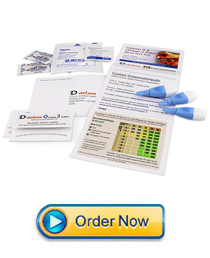
As part of a consumer-sponsored research project, GrassrootsHealth
has created a convenient test kit to measure both your vitamin D and
omega-3 index. This data will be used to analyze the health benefits of
these vital nutrients, as well as any potential linkage between the two.
Given the importance of vitamin D and omega-3s to your overall health
and longevity, this is a test you simply cannot afford to overlook.
Omega-3 Level Slashes Your Risk of Mortality and CVD Events
Research funded by the National Institutes of Health once again highlights the importance of your omega-3 level to your heart health and overall well-being. The new study, published in the Journal of Clinical Lipidology,1
looked at the value of measuring blood levels of eicosapentaenoic acid
(EPA) and docosahexaenoic acid (DHA) omega-3 fatty acids to assess your
risk for developing certain diseases. The outcome? A higher omega-3
index was associated with a lower risk for:
Total CVD events
Total coronary heart disease (CHD) events
Total strokes
In this body of work, led by omega-3 expert and prolific researcher
William Harris, Ph.D., professor of medicine, Sanford School of
Medicine, University of South Dakota, the omega-3 index was measured for
2,500 participants (54 percent women) in the offspring cohort of the
Framingham Heart Study.2 The omega-3 index reflects the EPA and DHA content of your red blood cell membranes.
All participants, who had an average age of 66 years and were CVD
free at baseline, were tracked until about age 73. Besides tracking
total mortality, researchers also noted death from CVD, cancer and other
causes, as well as any associations between omega-3 index levels and
risk of CVD events, fatal or not.
While increased levels of omega-3s have been shown to reduce your CVD
risk, the researchers also noted a strong association between the
omega-3 index and death from all other causes. Notably, when comparing
participant omega-3 index levels, those with the highest levels of
omega-3 fatty acids slashed their risk of death from any cause by 34
percent.
This outcome suggests omega-3s provide other beneficial actions
beyond the well-known ones associated with a pathological process, such
as plaque buildup in your arteries, for example.3
The participants with the highest omega-3 index also had a 39 percent
lower risk of suffering a CVD event such as a heart attack or stroke.
Even though the study was somewhat limited by its relatively short
follow-up time (median 7.3 years), the researchers concluded: "A higher
omega-3 index was associated with reduced risk of both CVD and all-cause
mortality."4
Move Over Serum Cholesterol: Omega-3 Is a Better Predictor of Mortality
While the mentioned results are noteworthy, the big news from Harris'
current study involved the comparing of omega-3 to serum cholesterol.
Serum cholesterol level
is defined as the total amount of cholesterol present in your blood and
is still considered to be a risk factor for heart disease by
conventional medicine even though this has been disproven.
Although earlier studies have affirmed the connection between higher
omega-3 blood levels and a lower risk of death, Harris and his team
compared omega-3 and serum cholesterol in hopes of determining which one
is a better predictor of mortality. Omega-3 came out on top. About the
findings, Harris said:5
"When baseline serum cholesterol levels were substituted for the
omega-3 index in the same multivariable models, [serum cholesterol] was
not significantly associated with any of the tracked outcomes, whereas
the [omega-3 index] was related to four of the five outcomes assessed."
What Is the Omega-3 Index and Why Is It Important?
Despite being aware of the importance of omega-3s, most people are
unsure how much they need or if they are getting enough either through
diet or a supplement. Generally speaking, omega-3 levels are low in much
of Europe and the U.S. The Japanese, due to the amount of fish in their
diet, tend to boast the highest levels globally. To help you find out
and track your omega-3 level, Harris helped create the omega-3 index.
The omega-3 index is a blood test that measures the amount of EPA and
DHA omega-3 fatty acids in your red blood cell (RBC) membranes. Your
index is expressed as a percent of your total RBC fatty acids. The
omega-3 index has been validated as a stable, long-term marker of your
omega-3 status, and it reflects your tissue levels of EPA and DHA.
An omega-3 index over 8 percent — typical in Japan — is associated
with the lowest risk of death from heart disease. An index below 4
percent, which is common in much of Europe and the U.S., puts you at the
highest risk of heart disease-related mortality. Given its importance
to your health, it is most definitely worth your time to complete the
simple blood test required to determine your omega-3 index. I'll share
more about how to do that later in this article.
Studies Suggest Omega-6 Also Lowers Mortality Rates
A study published in The American Journal of Clinical Nutrition6 suggests omega-6
fatty acids may be equally beneficial in reducing your risk of
premature death. Omega-6s, a group of polyunsaturated fatty acids, are
found in nuts, seeds and vegetable oils. In drawing that conclusion,
researchers from the University of Eastern Finland analyzed data from
the Kuopio Ischaemic Heart Disease Risk Factor (KIHD).
The KIHD study is a large, ongoing study of cardiovascular risk that
has followed about 2,500 middle-aged men living in eastern Finland where
there are high recorded rates of coronary heart disease. The men, ages
42 to 60 at baseline, have been followed for an average of 22 years,
during which their blood levels of fatty acids were tracked. More than
1,100 of the men have died from disease-related causes.
The omega-6 research team placed the KIHD men into five groups ranked
according to their blood level of the omega-6 fat linoleic acid, after
which they compared the rates of death in each group. Lead study author
Jyrki Virtanen, Ph.D., adjunct professor of nutritional epidemiology at
the University of Eastern Finland, and his team found that the group
with the highest blood levels of linoleic acid had a 43 percent lower
risk of death than the group with the lowest levels.
A more in-depth analysis revealed men with higher levels of linoleic
acid were less likely to die from CVD or death by causes other than
cardiovascular disease or cancer. No association was observed for death
due to cancer. Said Virtanen, "We discovered that the higher the blood
linoleic acid level, the smaller the risk of premature death."7
Should You Consume More Omega-6?
The current Finland research supports findings from earlier
population-based studies that have linked a higher dietary intake and
higher blood level of linoleic acid to a reduced risk of CVD and Type 2 diabetes, without increasing cancer risk. For example, a 2014 systematic review and meta-analysis published in the journal Circulation8
analyzed 13 published and unpublished cohort studies involving 310,602
individuals and 12,479 total CHD events, including 5,882 CHD deaths.
Comparing the highest intake and lowest intake categories,
researchers noted dietary linoleic acid was associated with a 15 percent
lower risk of CHD events and a 21 percent lower risk of CHD deaths.
Does this mean you should automatically reach for more omega-6s? The
best sources for them, by the way, are from nuts and seeds, not
vegetable oils.
The proposed health benefits of omega-6 fatty acids have been debated
for quite some time. Like omega-3s, omega-6 fats are also essential and
must come from your diet. While often praised for their effect on
optimizing cholesterol levels, omega-6s are also thought to promote
low-level inflammation, which is associated with cardiovascular disease.9 So, should you strive to eat more omega-6s? Probably not.
If you eat a Western diet, you very likely may be eating too few
omega-3s, while consuming far too many omega-6s. The ideal ratio of
omega-3 to omega-6 fats is 1-to-1, but the typical Western diet ranges
between 1-to-20 and 1-to-50, depending on your eating habits. If a large
portion of your diet centers around vegetable oil-laden fast food and processed foods, you are undoubtedly overdoing it on omega-6.
Processed foods — everything from french fries to frozen meals and
salad dressings to snack foods — are generally loaded with omega-6s, due
to the vegetable oils used to make them. Check labels carefully and do
your best to avoid products containing canola,
corn, cottonseed, safflower, soybean and sunflower oils. Furthermore,
if you are a regular consumer of fast food, know that most of it is
prepared with the same oils. Because these oils very often are damaged
and oxidized, they are harmful for your body.
In general, when omega-6s predominate your diet, you will almost always suffer from inflammation.
Omega-6 excess can also increase your production of body fat. Beyond
that, many scientists suspect the high incidence of cancer, diabetes,
heart disease, hypertension, obesity and premature aging experienced
worldwide may have its roots in the chronic inflammation often triggered
by this profound omega-3 to omega-6 mismatch.
In general, a diet high in omega-3 and low in omega-6 will reduce
inflammation, while a diet low in omega-3 and high in omega-6 will
promote inflammation. When your body is chronically inflamed, you will
be unable to achieve optimal health.
The bottom line is that both omega-3s and omega-6s are essential to
your diet. You cannot thrive without them. To clear up any lingering
confusion, in the video above I provide helpful information about
omega-3, omega-6 and omega-9 fatty acids. The main point is to strive
for balance, choosing a mix of each type and taking care to ensure you
incorporate high-quality animal sources for your omega-3s.
Your Best Source: Animal-Based Omega-3 Fats
Animal-based omega-3s
are your best source for this essential fatty acid and you have the
following three options to get more of it into your daily diet:
• Fish: Small,
cold-water, fatty fish such as anchovies and sardines are an excellent
source of omega-3 with a low risk of hazardous contamination. Wild Alaskan salmon is another good source that is low in mercury and other environmental toxins.
Because much of the fish supply is heavily tainted with industrial
toxins and pollutants, including heavy metals such as arsenic, cadmium,
lead, mercury and radioactive poisons, it is extremely important to be
selective, choosing fish high in healthy fats and low in contaminants. • Fish oil:
While fish oil is a convenient and relatively inexpensive way to
increase your intake of omega-3 fats, it typically delivers insufficient
antioxidant support. Fish oil is perishable and oxidation leads to the
formation of harmful free radicals. For this reason, you'll need to
increase your antioxidant protection when consuming fish oil to ensure
it doesn't oxidize and become rancid inside your body. • Krill oil: Krill oil
is my preferred choice as an omega-3 supplement because it contains the
indispensable animal-based DHA and EPA omega-3s your body needs in a
form that's less prone to oxidation. With the help of phospholipids, the
nutrients in krill oil
are carried directly to your cell membranes where they are more readily
absorbed. Additionally, they can cross your blood-brain barrier to
reach important brain structures. While you may be tempted to seek your
omega-3 fatty acids from the following sources, mainly because they are
readily available and perhaps less costly than the sources mentioned
above, I strongly advise you to avoid:
• Farmed salmon:
It contains about half the omega-3 levels of wild salmon, is often fed a
genetically engineered diet of corn and soy products and may contain
antibiotics, pesticides and other chemical toxins • Large carnivorous fish: Marlin, swordfish and tuna (including canned tuna), for example, tend to contain some of the highest concentrations of mercury,10 a known neurotoxin
Discover Your Omega-3 Index; Get Tested Today
Whether you eat fatty fish or take a daily supplement, the best way
to determine your required dose of omega-3 is to measure your level
using the omega-3 index. If you're below 8 percent, you'll want to
increase your omega-3 intake and retest about three to six months later.
Continue adjusting your dose and retesting until you find the dosage
that allows you to reach and maintain an ideal level.
While you may think eating fish occasionally or using the recommended
dosages found on supplement bottles will get the job done, the only way
to know how much omega-3 your body needs is to get tested. Since
requirements for omega-3 vary depending on your diet and exercise
habits, it's best to do the blood test. Watch the video above to learn
more about what the omega-3 index measures.
If you are an athlete, you may not realize you will burn off omega-3
quite rapidly because the DHA is used as fuel rather than going toward
your cell membranes. For this reason, expect that you may need to
increase your dose and be sure to monitor your index level closely. For
more strategies and tips about omega-3s, check out my Practical Guide to Omega-3 Benefits and Supplementation.
As part of a consumer-sponsored research project, GrassrootsHealth
has created a convenient, cost-effective test kit to measure both your vitamin D
and omega-3 index. By studying the levels of these two nutrients in the
general population, researchers desire to better understand how vitamin
D and omega-3 levels impact human health. The data gathered using this
third-party test kit, which will not include any of your identifying
personal information, will also allow scientists to analyze potential
links between these two vital nutrients.

No comments:
Post a Comment