Treatment Protocols for COVID-19: An Overview
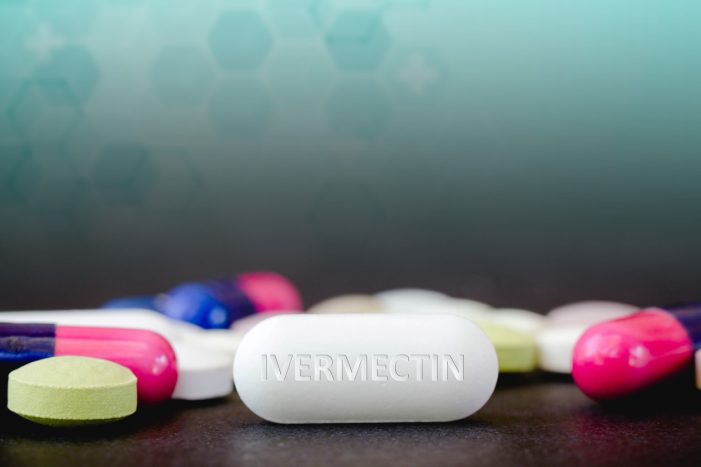
Two years into the global pandemic of the novel coronavirus SARS-CoV-2, there is scant guidance from government agencies, universities, or professional medical organizations to help individuals recover from the SARS-CoV-2 infection that causes COVID-19 without the need for hospitalization.
The U.S. Centers for Disease Control and Prevention (CDC), which recommends monoclonal antibodies for high-risk individuals and fever reducing medication, hydration and rest for those who are not hospitalized, refers both patients and health care providers to federal treatment guidelines.1 The U.S. National Institutes of Health (NIH) provides a comprehensive treatment guideline for COVID that makes a “moderate” recommendation for monoclonal antibodies for high-risk individuals, and recommends fluids, rest, and over-the-counter medications for fever, headache, muscle pain and cough for those who are not hospitalized.2
Both the CDC and NIH discourage the use of any other licensed drugs or neutraceuticals in post-exposure prevention or pre-exposure prophylaxis for SARS-CoV-2 infections except for individuals participating in clinical trials.
The home treatment guide for COVID from the prestigious Mayo Clinic focuses on preventing spread and recognizing emergency warning signs requiring intervention or hospitalization. However, that widely trusted source for medical guidance offers little in the way of supportive therapies that might prevent worsening of disease symptoms.3
Although the recovery rate for SARS-COV-2 infections is between 97 and 99.5 percent,4 and most people recover without hospitalization, there are currently 125,922 people hospitalized with COVID in the U.S., and numbers are on an upward trend.5 Recent estimates of costs associated with inpatient treatment for COVID average from $31,339 to $472,213 per person, depending upon the severity of the case.6 Federal data shows the emergency department visits with diagnosed COVID cases are currently at their highest point of the pandemic—a figure that has more than doubled over the last month. “Admissions with COVID is still very disruptive to the health care system, at a time when it can’t afford more disruption,” stressed Ashish Jha, MD, Dean of the Brown University School of Public Health in a recent tweet.7
Failure to Treat COVID Patients Early at Home a “Calamity”
In testimony before Congress in November 2020, Peter McCullough, MD, vice chief of internal medicine at Baylor University Medical Center and professor of medicine at Texas A&M University, urged the government to prod federal agencies to assist doctors with early treatment options, before COVID patients require hospital treatment “because we can prevent hospitalization and death.” He went on:
I can’t think of a single viral infection where the best advice is to wait two weeks before we start treatment in the hospital. That is the current NIH recommendation. Americans are appalled by this. We always treat serious viral infections with multiple drugs up front, early. These are principles of treatment.” Americans, he warned, were going to be horrified by “a national calamity of unimaginable mortality…8
Monoclonal Antibodies: Benefits and Risks
Monoclonal antibodies are laboratory-made proteins that were designed to mimic the immune system’s natural response to harmful pathogens such as viruses, and are administered to patients via IV infusions (on an outpatient or in-hospital basis). Drug companies were given Emergency Use Authorization (EUA) by the U.S. Food and Drug Administration (FDA) in November 2020 to distribute monoclonal antibodies in the U.S. for treatment of COVID.9
Some studies have shown that monoclonal antibodies can dramatically reduce the risk of hospitalization and death from COVID. However, many patients who qualify for the treatment say their doctors never mentioned it to them, even though it has been nearly a year since antibodies were first authorized and they remain the only federally approved early treatment for early COVID.10
At a White House briefing in August 2021, Anthony Fauci, MD, director of the National Institute for Allergy and Infectious Disease (NIAID) urged doctors to use monoclonal antibodies more frequently. He said that they can reduce the risk of COVID hospitalization or death by 70 to 85 percent. “This is a very effective intervention for COVID-19. It is underutilized, and we recommend strongly that we utilize this to its fullest,” Dr. Fauci said. “We want people out there, including physicians, as well as potential patients, to realize the advantage of this very effective way of treating early infection.” When asked by CNN why more doctors and health centers aren’t getting antibodies to their COVID patients, Dr. Fauci said, “I can’t explain that.”11
The federal government purchased $2.9 billion worth of the monoclonal antibodies to ease supply issues in September 202112 but problems have persisted. “It’s unconscionable,” said Peter Chin-Hong, MD, an infectious disease expert and professor at the University of California-San Francisco School of Medicine. “We have an evidence-based drug, and it’s provided free by the government, but there are barriers built into the system to get it.”13
While a number of doctors have successfully treated COVID with monoclonal antibodies, there have been reported infusion-related reactions to activation of the immune system by the monoclonal antibodies, such as flushing, itching, shortness of breath and low blood pressure,14 and there is a possibility of immediate or delayed serious adverse events, including cytokine release syndrome, acute anaphylaxis, serum sickness, infections, cancer, autoimmune disease and cardiotoxicity.15 16 There is uncertainty about whether the currently available monoclonal antibodies are effective in treating the Omicron variant of SARS-CoV-2.17
Physicians Create Effective Early Treatment Protocols
In the absence of effective home-based treatment guidance for COVID from the U.S. government health agencies, the nation’s leading medical centers, or professional medical organizations, a number of highly credentialed and widely published critical care physicians and front line doctors working in hospitals and outpatient clinics have organized to collect and share their experience and research to develop lifesaving protocols for the prevention and treatment of COVID in all stages of illness.
The most widely known home-based treatment protocols have been published by Front Line COVID-19 Critical Care (FLCCC) Alliance, Truth for Health (TFH), and the World Council for Health (WCH). The COVID treatment protocols include repurposed FDA-licensed pharmaceuticals, neutraceuticals, and over-the-counter (OTC) medications.
Although each protocol varies somewhat, they all contain combinations that serve to act as anti-viral (nasal rinses/mouthwash gargle, ivermectin, hydroxychloroquine, antibiotics, nebulized colloidal silver, nitazoxamide), anti-inflammatory (ibuprofen, aspirin, NAC, antihistamines, corticosteroids, budesonide inhaler, loratadine, fomatidine, colchicine, naproxen, promethazine), anti-coagulant (aspirin, prescription blood thinners), immune support (Vitamins D and C, zinc, quercetin, melatonin, glutathione, NAC, Omega 3 fatty acids, vitamin B complex, lactoferrin, nigella sativa, curcumin, neem, Lugol’s iodine), and symptom support (antihistamines, acetaminiphin, NAC, cough mixtures, nasal spray, ginger, honey, and nebulized solutions).
All three protocols emphasize the importance of initiating supportive care early in the course of infection to reduce viral replication and worsening of symptoms.
Front Line COVID-19 Critical Care Alliance Protocol
Paul Marik, MD, among the most highly published critical care physicians in the world, is formerly Director of the ICU at Sentara Norfolk General Hospital, and chief, Division of Pulmonary and Critical Care Medicine at Eastern Virginia Medical School. Using a protocol he and others called MATH+, he reported a 50 percent reduction in COVID deaths in the ICU in early 2020.18 19 MATH is an anacronym for the components Methylprednisolone, Ascorbic acid, Thiamin, and Heparin, with the “+” indicating a few other medicines, such as melatonin, zinc, and vitamin D3 to be added based on the high safety, low cost, and emerging scientific data suggesting efficacy.20
Dr. Marik, together with Keith Berkowitz, MD, Fred Wagshul, MD, Pierre Kory, MD, Flavio Cadegiani, MD, PhD, and Joseph Varon, MD formed a group now called the Front Line COVID-19 Critical Care (FLCCC) Alliance. The MATH+ protocol was published in the peer reviewed journal Expert Review of Anti-Infective Therapy in February 2021 and has been used globally to effectively treat patients with COVID-19.21 Reportedly, FLCCC’s MATH+ protocol is generally well tolerated and has not generated reports of serious adverse medical events.22
In October 2020, the FLCCC Alliance developed a prophylaxis and early treatment protocol centered around the drug ivermectin. This became the I-MASK+ Prophylaxis and At-home Treatment Protocol for COVID.23 24 In addition to ivermectin (or, alternately, nigella sativa), the I-MASK+ protocol includes a daily gargle of antiseptic mouthwash that contains either cetylpyridinium chloride, chlorhexidine, 1 percent povidone iodine, or Listerine with essential oils and povidone-iodine nasal spray/drops to reduce viral replication in the nose and throat. Immune fortifying/supportive therapies include vitamin D3, vitamin C, quercetin, elemental zinc, turmeric, and melatonin, with aspirin as an anti-coagulant. The doctors have recommended monitoring oxygen saturation with a pulse oximeter. They have also used second line agents (spironolactone, dutasteride, fluvoxamine, and monoclonal antibodies) and include prednisone or methylprednisone as third line agents.
The FLCCC Alliance has also developed a protocol for treating Long Haul COVID-19 Syndrome (LHCS) and post vaccine inflammatory syndromes called I-RECOVER.25 The I-RECOVER basic protocol centers around ivermectin, vitamin C, Omega-3 fatty acids, atorvastatin, melatonin and vitamin D3. Corticosteroid therapy or fluvoxamine (for neurological symptoms) are also part of the protocol if symptoms are more prolonged and, if Long Haul COVID symptoms remain unresolved, they have included a pulmonary evaluation and treatment of suspected mast cell activation.
The FLCCC Alliance website contains COVID-19 treatment protocols available in twelve languages with supporting clinical evidence for safety and effectiveness.
Truth for Health Protocol
The Truth for Health Home-Based COVID Treatment protocol26 27 is based on the understanding that different medicines are needed for the three different stages of COVID: viral replication days 1-5; exaggerated inflammation response days 5-10; and exaggerated formation of blood clots up to 30 days. Using a decision tree based on a combination of age and the number of comorbid conditions, as well as progression of illness, treatment is focused on stopping viral replication and containing illness to the first stage. The protocol begins with a neutraceutical bundle of zinc, vitamin D3, vitamin C and quercetin.
Further intervention may include monoclonal antibodies and a combination of either hydroxycloroquine, ivermectin or favipiravir, plus antibiotics. Monitoring with a pulse oximeter is recommended, with supplemental oxygen as needed.
TFH also has a protocol for hospital treatment, Long Haul COVID-19 Syndrome, and vaccine injury.
The TFH medical team and executive team includes Elizabeth Lee Vliet, MD; Peter McCullough, MD, PhD; Michael Yeadon, PhD; Paul Alexander, PhD; Alan Moy, MD; Richard Blumrick, MD; Raphael Stricker, MD; Harpal Mangat, MD; Deirdre Byrne, MD; Howard Tenenbaum, DDS; and Rodger Hodkinson, MA, MB, BChir (Cantab).
Protocol of World Council for Health
The WCH is an umbrella organization of multinational groups of doctors, scientists, medicine journalists and other civil society members advocating for the right to good health. They ensure health care transparency through common-sense education and advocacy, independently integrating evidence from different qualitative and quantitative sources. As their name implies, WCH has a more global focus. The safe, established and patent-free medicines and supplements included in their guide may have differing availability around the world, so they provide many choices in each category.28
Expensive new drugs (such as monoclonal antibody treatments) are not part of the protocol. WCH recommends having on hand a temperature thermometer, pulse oximeter, and a nebulizer to deliver solutions such as saline, colloidal silver or sodium bicarbonate.
The WCH guide, which features easy-to-understand text, color detail and graphics, includes explanations for different treatments and how they work with the goal of empowering the reader to make an informed choice. Their guide contains information not conveyed in other protocols, such as warning that acetaminaphin/paracetamol should be used sparingly in COVID treatment because it reduces glutathione, an important antioxidant, and that ivermectin has blood-thinning properties, which may interfere with other blood thinning medications. The WCH also provides home treatment options.
The latest guide was reviewed by Tess Lawrie, MD, Ph.D.; Peter McCullough, MD, MPH; Pierre Kory, MD, MPA; and Naseeba Kathrada, MD.
The Role of Zinc Ionophores
Controversy has surrounded the use of the drug ivermectin29 and other zinc ionophores (substances that push zinc into cells where it can reduce viral replication) such as hydroxychloroquine, quercetin, epigallocatechin and pyrithione in the treatment of COVID.30 Three randomized controlled trials–ACTIV-6 at Duke University, COVID-OUT at the University of Minnesota,31 and PRINCIPLE at Oxford University,32 are currently underway to evaluate ivermectin as a treatment for COVID.
A meta-analysis published in August 202133 concluded that there was moderate-certainty evidence for large reductions in COVID deaths using ivermectin. The study authors concluded that using ivermectin early in the clinical course of COVID disease may reduce the numbers of cases progressing to severe disease, and that the apparent safety and low cost suggests that the use of ivermectin is likely to have a significant positive impact on reducing morbidity and mortality in the SARS-CoV-2 pandemic globally.
A June 2020 systematic review published in the medical journal Antibiotics34 identified ivermectin as having “antimicrobial, antiviral and anti-cancer properties.” The authors stated that the drug “is highly effective against many microorganisms including some viruses,” and pointed out:
Ivermectin has been used for several years to treat many infectious diseases in mammals. It has a good safety profile with low adverse effects when orally prescribed. Ivermectin was identified in late 1970s and first approved for animal use in 1981. Its potential use in humans was confirmed a few years later. Subsequently, William C. Campbell and Satoshi Ōmura who discovered and developed this medication received the 2015 Nobel Prize in Physiology or Medicine.
Over the past 50 years, ivermectin has been found to be effective in treating a long list of diseases caused by DNA and RNA viruses, including malaria, and many countries have adopted the broad spectrum and low cost drug as one of the first-line treatment options for COVID.35
Metabolic Syndrome Ignored As Risk Factor In COVID-19 Response
Researchers at Tulane University School of Medicine36 demonstrated that metabolic syndrome (obesity, type 2 diabetes, and/or hypertension) is associated with an increased risk for intensive care unit (ICU) admission, invasive mechanical ventilation, acute respiratory distress syndrome (ARDS), mortality, and with prolonged hospital and ICU length of stay. “Given the high rates of metabolic syndrome, obesity, and diabetes in the United States, one hypothesis for why the United States led the world in COVID cases and deaths could be the high prevalence of metabolic syndrome in this population,” the authors write.37
A study published in the November 202138 reported that up to 50 percent of people who have died of COVID had metabolic and vascular disorders, and that body mass index is strongly correlated with immune markers that predict severe COVID. The authors concluded, “It would be a progressive failure not to respond to this alarm signal and change our strategies to help to prevent diabetes and obesity with societal measures, diagnose metabolic syndromes as early as possible, focus on diabetes remission rather than progressive and expensive treatment, and individualize diabetes management to meet sustainable prevention of complications by use of all available evidence and technology.” They went on, “The non-communicable pandemic of metabolic disease due to diabetes and obesity, affecting 0·5 billion people worldwide, could be considered as the foundation for the communicable COVID pandemic, which has disproportionately affected this patient group.”
A study at the Cleveland Clinic39 published in December 2021 compared obese patients who had previously had bariatric (weight loss) surgery with those who had not, and found that the rate of infection was similar between the groups, but patients who had weight-loss surgery had a 49 percent lower risk of hospitalization, a 63 percent lower risk of the need for supplemental oxygen and a 60 percent lower risk of developing severe COVID. “This study suggests that an emphasis on weight loss as a public health strategy can improve outcomes during the COVID pandemic and future outbreaks or related infectious diseases,” noted Steven Nissen, MD, chief academic officer of the Heart, Vascular and Thoracic Institute at Cleveland Clinic. “That is a very important finding, considering that 40 percent of Americans have obesity.”
Despite the contribution of obesity and metabolic disorders to the disease burden of COVID, weight loss and prevention of metabolic disorders are not currently part of any published COVID public health policy.
Vaccination Under Emergency Use Authorization Not Allowed If Adequate Treatments Are Available
During a public health emergency, the FDA can use its authority to issue an EUA to pharmaceutical companies to distribute unapproved medical products in the U.S., as well as give the green light to unapproved uses of already licensed medical products to diagnose, treat, or prevent serious or life-threatening diseases when certain criteria are met, including that there are no adequate, approved, and available alternatives.40
If you would like to receive an e-mail notice of the most recent articles published in The Vaccine Reaction each week, click here.
Click here to view References:

No comments:
Post a Comment