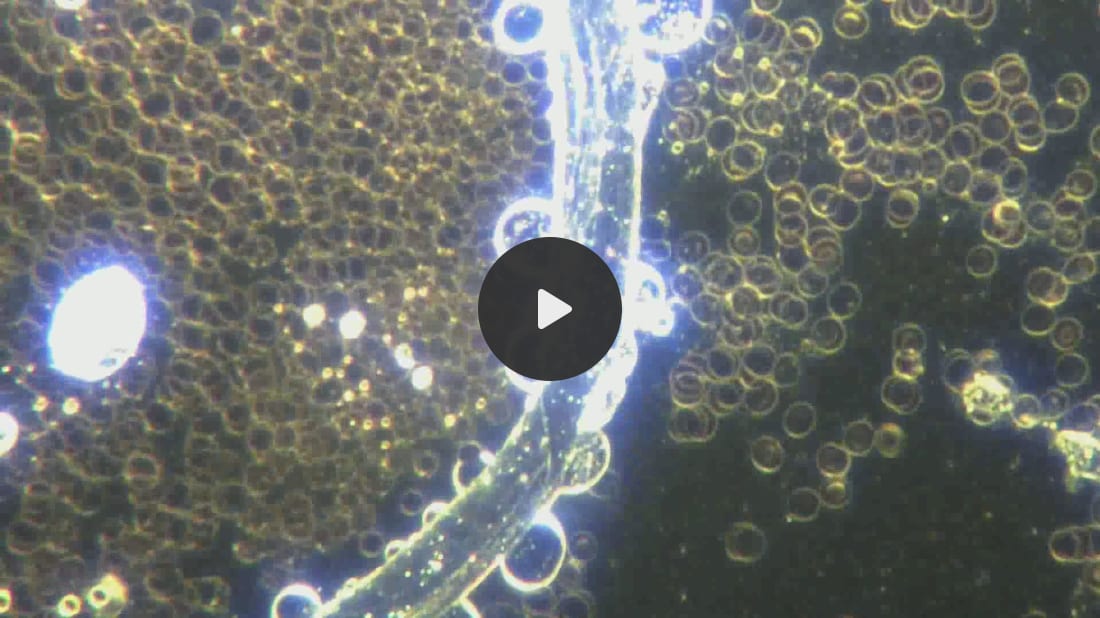
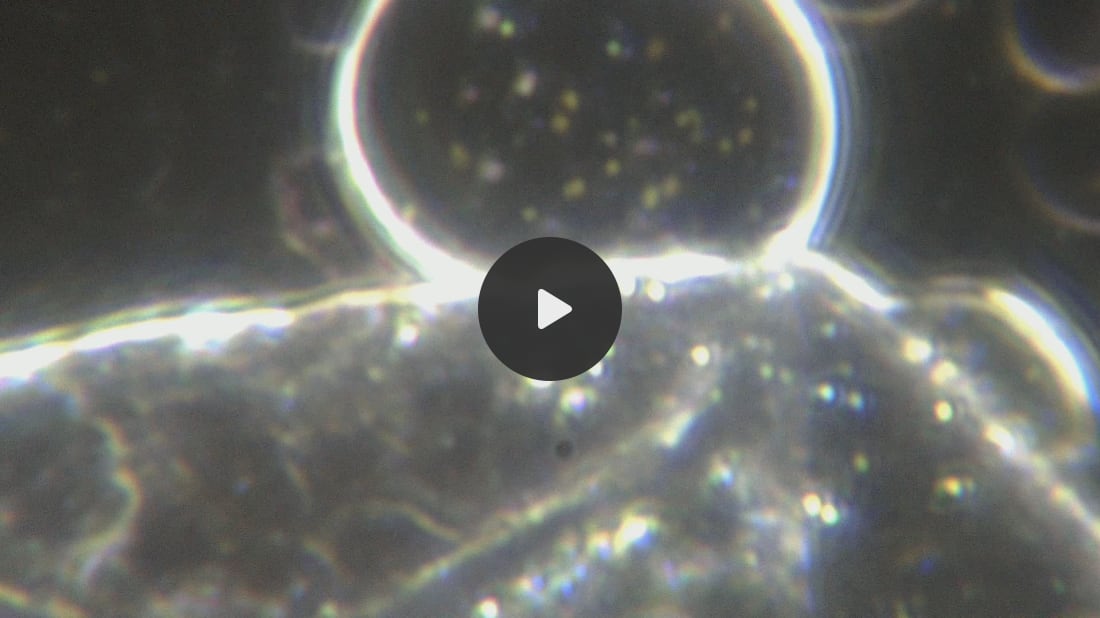
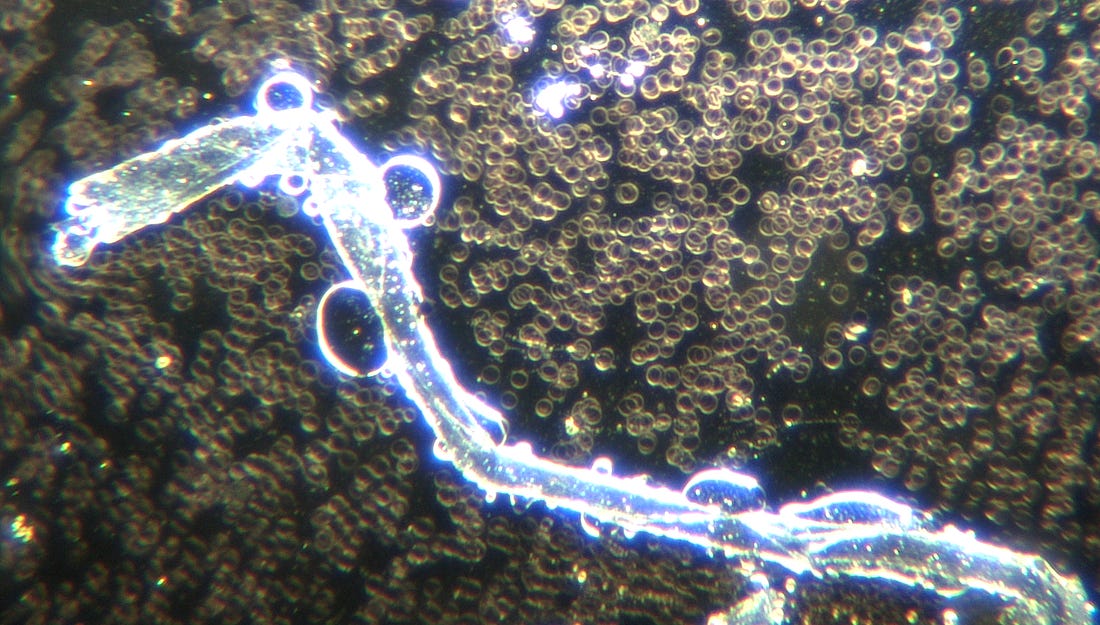
Microfilament undergoing vesicular self assembly in COVID19 unvaccinated blood. Magnification 100x © Dr Ana Mihalcea
In
this post, I show multiple videos of Darkfield Microscopy of a filament
self assembly in COVID19 unvaccinated blood. This quite large structure
can cause problems within the body including stroke like symptoms.
Capillaries, which are small arteries, are about 8-10 microns, similar
to a red blood cell in diameter. You can easily understand that such a
large filament in enormous in size compared to capillaries.
There
has been a lot of discussing regarding the rubbery clots and these
filaments in the blood. The spike protein gene sequence shows that it
produces Amyloid and Hydrogel, both can be used for biosensor
technology:
Amyloid and Hydrogel Formation of a Peptide Sequence from a Coronavirus Spike Protein
Everybody
Talks About Amyloid Or Prions In Relation To C19 Bioweapons. Review Of
How Self Assembly Amyloid Hydrogels & Prion Peptides Are Used For
Nanotechnology Devices & Biosensor Applications.
Study
Shows ALL C19 Vaccinated Have Amyloid Microclots-Confirming 2022 Live
Blood Study. Dissolution Of Amyloid Clots With EDTA, Vitamin C,
Methylene Blue & DMSO - Successfully Done For Past 3 Years
Interestingly,
in a nanotechnology study linked below, it shows that nanoparticles can
accelerate the growth of Amyloid fibrils on surfaces - which the blood
vessels in the body certainly have a lot of surface structure. Metallic
nanoparticles have been used to accelerate the self assembly of Amyloid
nano and microwires for electronic devices.
First,
lets look at this microscopic video footage of active self assembly of a
polymer filament in COVID19 unvaccinated blood. Magnification starts at
100x and goes up to 4000x. For best visualization of the moving nano
and microparticles please enlarge the video window.
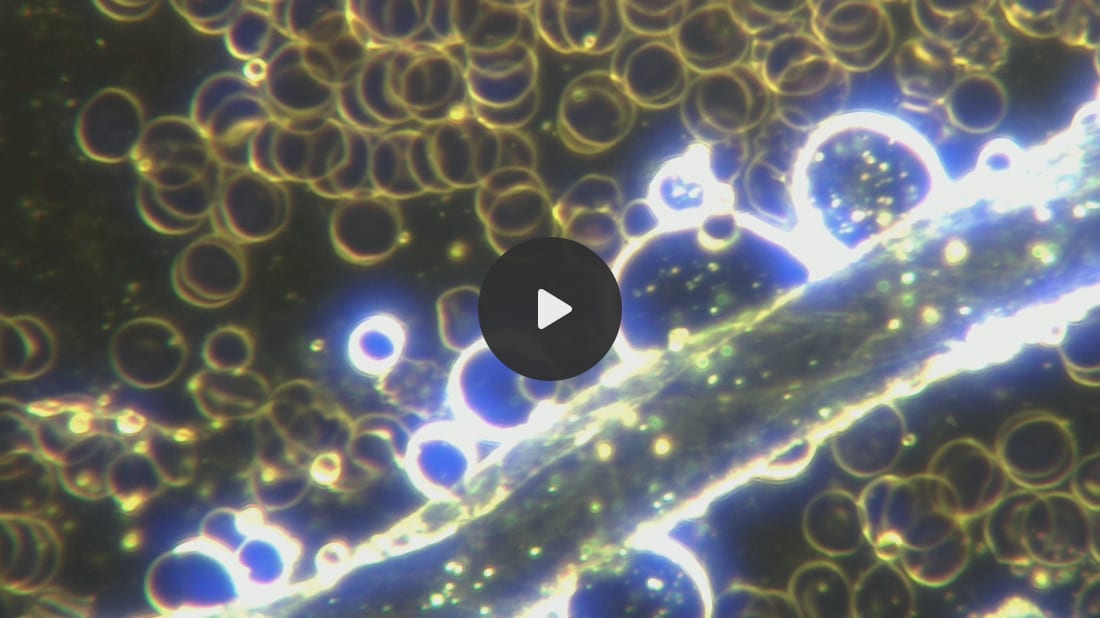
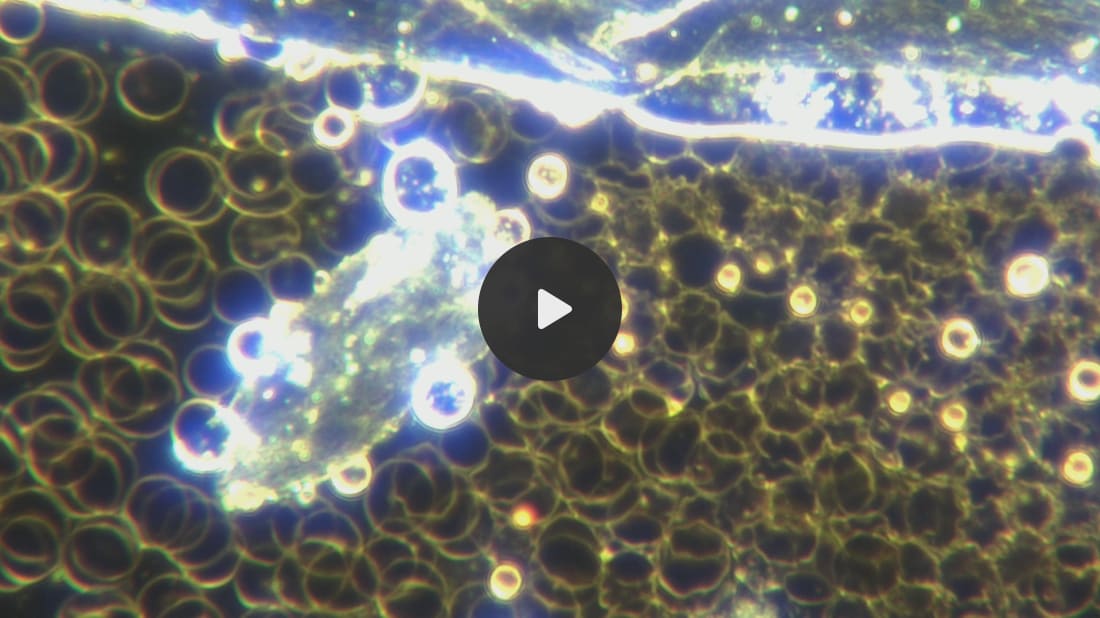
Here you can see further vesicles moving through the blood to arrive at the filament to contribute to self assembly:
The
vesicles contain multicolored light emitting microrobots. These are the
same I have filmed in deceased COVID19 vaccinated blood:
Zombie
Blood - COVID19 Vaccinated Embalmed Blood For Over 2 Years Shows
Continued Self Assembly Nanotechnology Replication, Nano and Microrobot
Activity
In
the video below you can see multiple small vesicles filled with nano
and microrobots that are using the blood as an energy source to get to
the filament and be part of the construction process. Adjacent to the
filament you can clearly see how the vesicles elongated themselves to
become denser and denser, and then are part of the long filament.
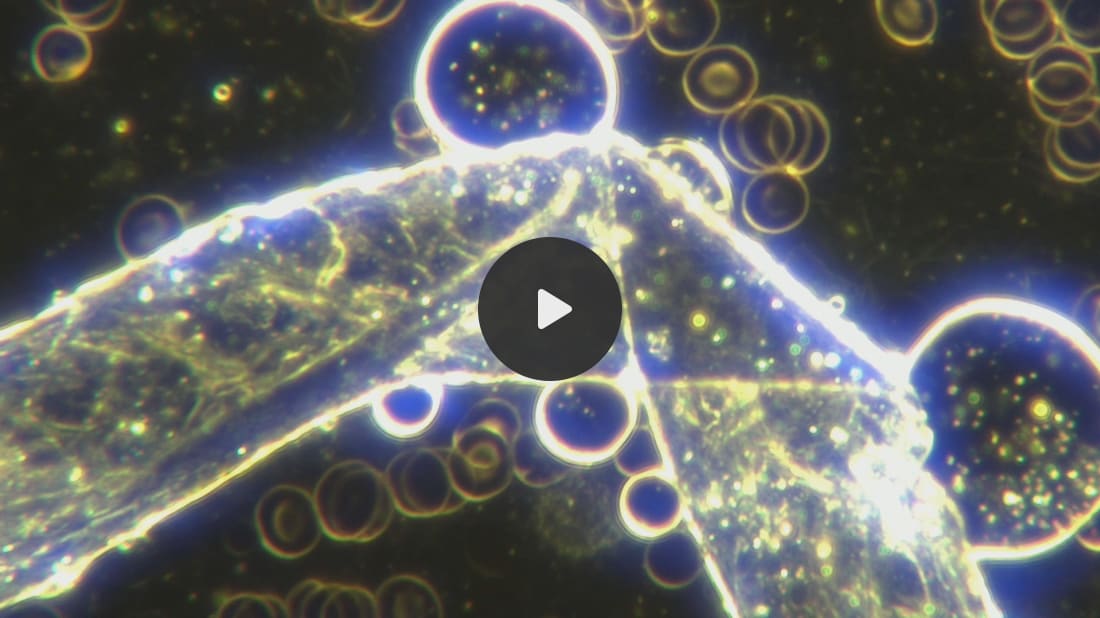
Below
you can see 4000x magnification with Oil Objective. The particles in
the vesicle clearly become part of the longer filament.
Here
is what the nanotechnology literature discusses regarding Amyloid
fibers that can be self assembled for electronic devices by using metal
particles. This can explain why there were 55 undeclared semiconducting
metals found in the COVID19 bioweapon injections.
Argentinian
Heroic Scientists Are Persecuted For Their Research Of COVID19
Bioweapons & Finding 55 Undeclared Toxic Elements. Sign Petition NOW
In Support Of Drs. Marcela Sangorin & Lorena Diblasi
The
nanoparticles interaction with the molecules inside the body could be
accelerating the Amyloid fibres production. Nanoparticles can be shedded
from the COVID19 vaccinated or inhaled from Geoengineering, which uses
the same chemical building blocks, namely toxic metals, Graphene and
polymers.
Geoengineering Adverse Health Effects and Vaccine Nanoparticle Contaminations –
Discussion
of the Common Thread of Toxic Heavy Metals and Graphene Oxide And their
Removal with Intravenous EDTA Chelation in Clinical Practice
Remember Amyloid is used as a Hydrogel for Brain computer interface.
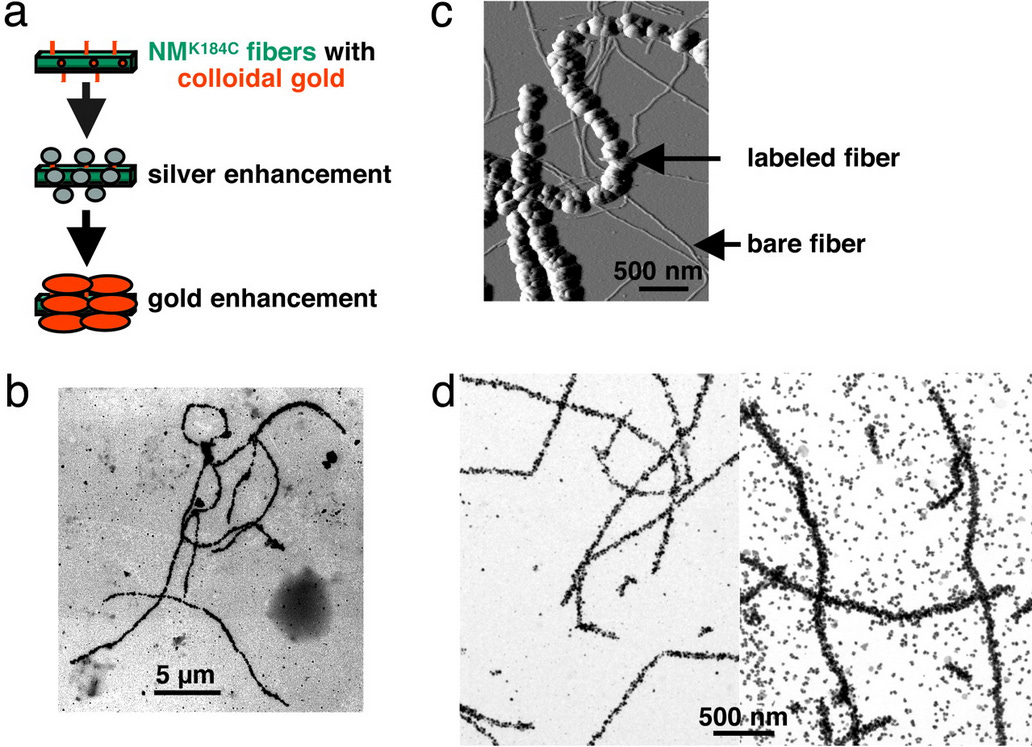
Conducting nanowires built by controlled self-assembly of amyloid fibers and selective metal deposition
Recent
research in the field of nanometer-scale electronics has focused on the
operating principles of small-scale devices and schemes to realize
useful circuits. In contrast to established “top-down” fabrication
techniques, molecular self-assembly is emerging as a “bottom-up”
approach for fabricating nanostructured materials. Biological
macromolecules, especially proteins, provide many valuable properties,
but poor physical stability and poor electrical characteristics have
prevented their direct use in electrical circuits. Here we describe the
use of self-assembling amyloid protein fibers to construct nanowire
elements. Self-assembly of a prion determinant from Saccharomyces cerevisiae,
the N-terminal and middle region (NM) of Sup35p, produced 10-nm-wide
protein fibers that were stable under a wide variety of harsh physical
conditions. Their lengths could be roughly controlled by assembly
conditions in the range of 60 nm to several hundred micrometers. A
genetically modified NM variant that presents reactive,
surface-accessible cysteine residues was used to covalently link NM
fibers to colloidal gold particles. These fibers were placed across gold
electrodes, and additional metal was deposited by highly specific
chemical enhancement of the colloidal gold by reductive deposition of
metallic silver and gold from salts. The resulting silver and gold wires
were ≈100 nm wide. These biotemplated metal wires demonstrated the
conductive properties of a solid metal wire, such as low resistance and
ohmic behavior. With such materials it should be possible to harness the
extraordinary diversity and specificity of protein functions to
nanoscale electrical circuitry.
Here is the Amyloid fiber assembly with the small metal nanoparticles to create electrical circuitry:
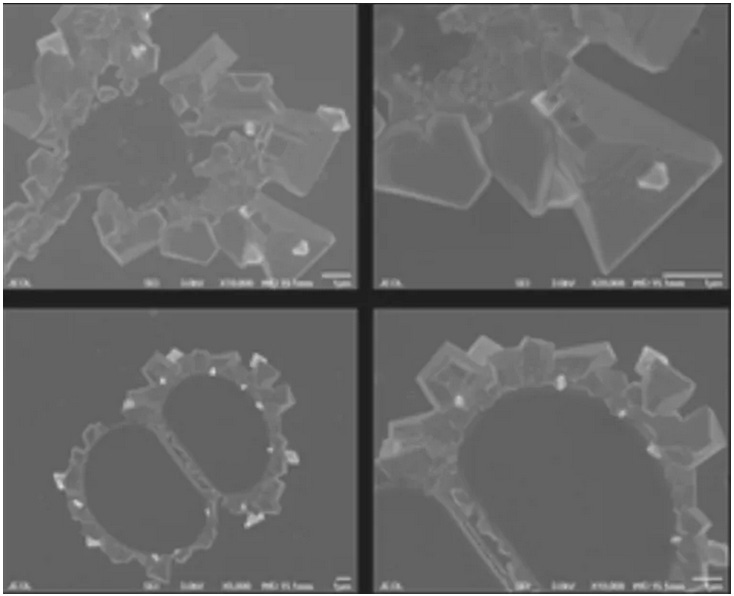
Remember
the electron Microscopy work by Dr Bremer showing razor like
nanoparticles round these vesicles and in the COVID19 vaccinated blood.
Electron Microscopy Of The Blood Of A 43 Year Old With 3 Pfizer Injections Shows Nano Razors From Dr Hortencia Bremer
Image courtesy: Dr Hortencia Bremer, Electron Microscopy of nanorazors in COVID19 vaccinated blood.
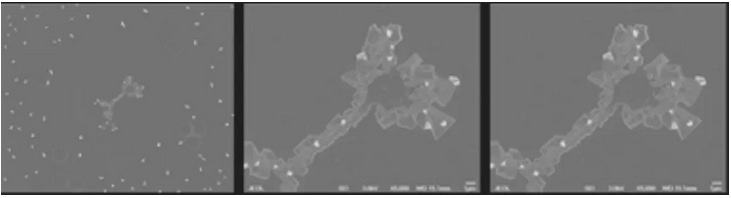
It
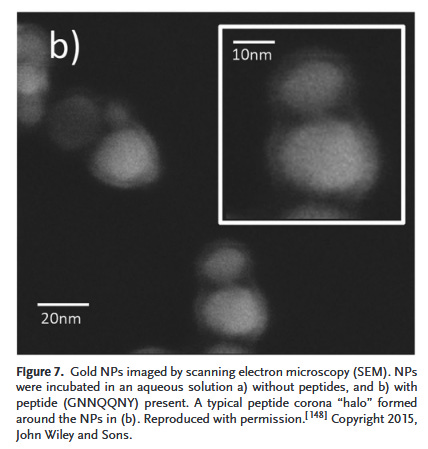
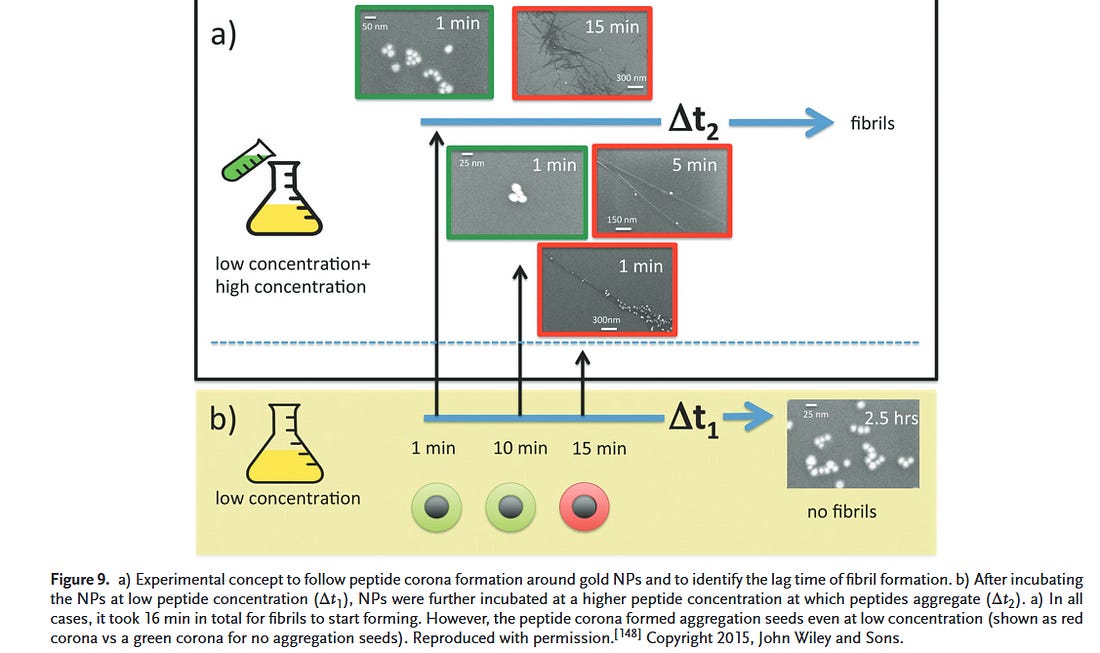
appears that Nanoparticles ACCELERATE the process of self assembly
Amyloid fibrils. Below you can see images of filament assembly in
minutes from the nanotechnology literature - interesting that “Corona”
Bioweapon creates Amyloid fibrils that form a “Corona”. This is a
peptide layer around the metal nanoparticles:
Peptide Self-Assembly into Amyloid Fibrils at Hard and Soft Interfaces—From Corona Formation to Membrane Activity
Peptides and proteins are exposed to a variety of interfaces in a physiological
environment, such as cell membranes, protein nanoparticles (NPs), or
viruses. These interfaces have a significant impact on the interaction,
self-assembly, and aggregation mechanisms of biomolecular systems. Peptide
self-assembly, particularly amyloid fibril formation, is associated with a wide
range of functions; however, there is a link with neurodegenerative diseases,
such as Alzheimer’s disease. This review highlights how interfaces affect
peptide structure and the kinetics of aggregation leading to fibril formation. In
nature, many surfaces are nanostructures, such as liposomes, viruses, or
synthetic NPs. Once exposed to a biological medium, nanostructures are
coated with a corona, which then determines their activity. Both accelerating
and inhibiting effects on peptide self-assembly have been observed. When
amyloid peptides adsorb to a surface, they typically concentrate locally, which
promotes aggregation into insoluble fibrils. Starting from a combined
experimental and theoretical approach, models that allow for a better
understanding of peptide self-assembly near hard and soft matter interfaces
are introduced and reviewed. Research results from recent years are
presented and relationships between biological interfaces, such as
membranes and viruses, and amyloid fibril formation are proposed.
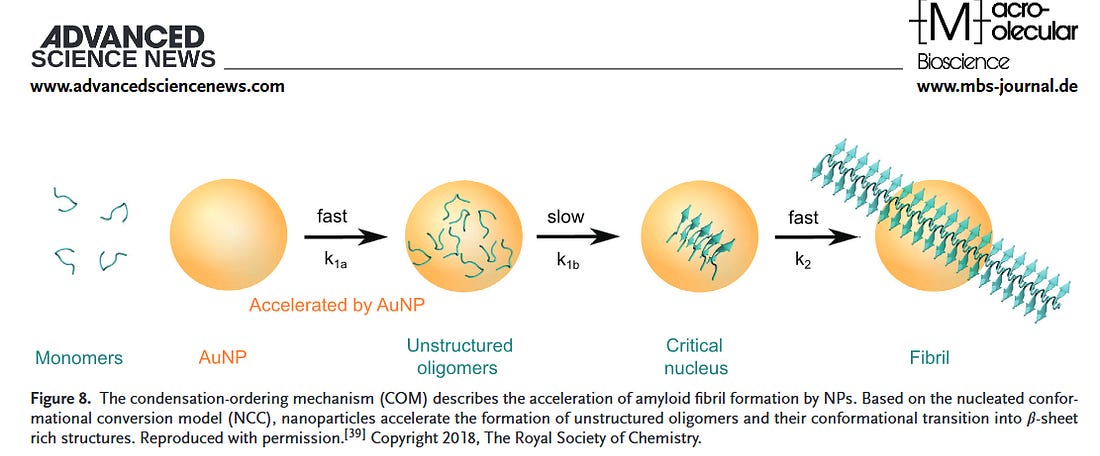
Figure
8. The condensation-ordering mechanism (COM) describes the acceleration
of amyloid fibril formation by NPs. Based on the nucleated
conformational conversion model (NCC), nanoparticles accelerate the
formation of unstructured oligomers and their conformational transition
into 𝛽-sheet rich structures. Reproduced with permission. [39]
Copyright 2018, The Royal Society of Chemistry
Such molecules are used in biotechnology including biosensing applications:
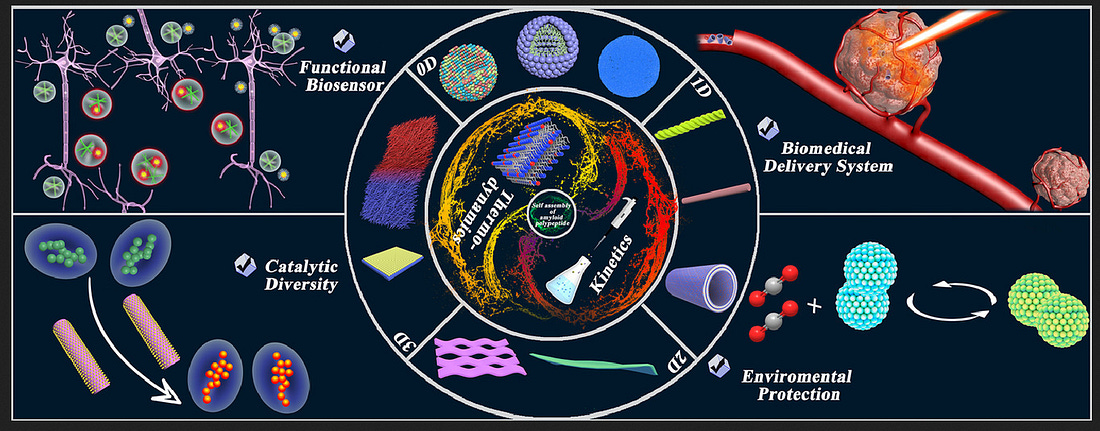
Bio-inspired amyloid polypeptides: From self-assembly to nanostructure design and biotechnological applications
The influence of thermodynamic and kinetic factors on the self-assembly of amyloid polypeptides are highlighted.
The evolution and current status of amyloid peptide-based nanomaterials on multiple dimensions are discussed.
The
extension of applications ranging from biosensing, bioimaging,
drug/gene delivery, cellular scaffolds and air pollution governance of
amyloid polypeptide-based nanomaterials is shown.
The prospects and challenges of amyloid peptide-based nanomaterials are addressed.
For more information:
Was
It Known In Science That Polyethylene Glycol (PEG), Key Ingredient in
C19 Bioweapon Shots, Can Create Self Assembly Nanofibers, Spheres And
Mesogen DNA biosensors? Yes, Since 2007
Russian
Study Finds Self Assembly Nanoparticles and Nanofibers:
“Self-assembling amyloid-like nanostructures from SARS-CoV-2 S1, S2, RBD
and N recombinant proteins”
Methylene
Blue Prevents And Reverses Prion Disease, Amyloid and Rubbery Clot
Formation, Binds Hydrogel Polymers, Dissolves Nanotech Building Blocks
Understanding
Prior History Of Covid19 And C19 Vaccination Association With Amyloid
Fibril Production and Prion Disease - Rationale For Methylene Blue -
Literature Review
For
more information please see Transhuman books - and for a new paradigm
in Medicine healing through Light, the basis of fighting of the
Technocractic Transhumanist Agenda
To understand more about the relationship of Light Medicine combating Transhumanism please see this presentation: Light Medicine and Transhumanism – The Novel Bridge of Understanding Solutions



No comments:
Post a Comment