FDA Panel Recommends EUA for Novavax COVID-19 Vaccine
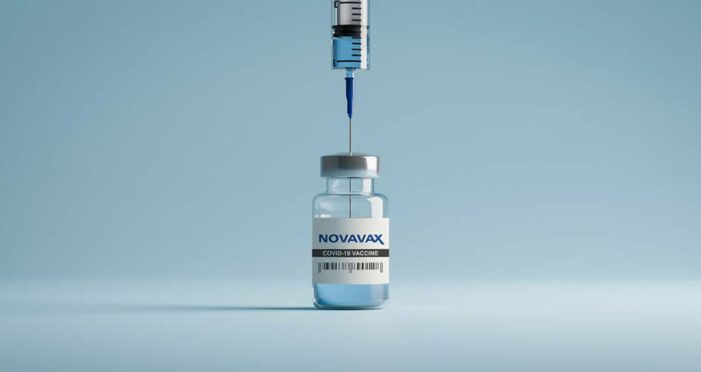
Despite concerns about the risk of developing myocarditis (inflammation of the heart muscle) and pericarditis (inflammation of the lining of the heart) following vaccination with Novavax’s experimental NVX-CoV2373 (also known as “Nuvaxovid” and “Covovax”) COVID-19 vaccine, the U.S. Food and Drug Administration’s (FDA) Vaccines and Related Biological Products Advisory Committee (VRBPAC) voted on June 6, 2022 to recommend Emergency Use Authorization (EUA) for the vaccine for adults.1 2 3 4
The advisory panel voted 21-0, with one abstention, opening the way for EUA approval for NVX-CoV2373 by the FDA, which would make NVX-CoV2373 the fourth COVID biologic approved for use in the United States after Pfizer/BioNTech’s BNT162b2 (“Comirnaty”), Moderna/NIAID’s mRNA-1273 (“Spikevax”) and Johnson & Johnson/Janssen’s Ad26.COV2.S.1 2 3 4 5
The lone abstention was from Bruce Gellin, MD, MPH of the Rockefeller Foundation. Dr. Gellin was not satisfied with the fact that Novavax had not provided VRBPAC with data on how NVX-CoV2373 performs against the Omicron variants that are currently circulating. Novavax also did not provide data on how long NVX-CoV2373 is effective in preventing severe COVID disease.3
Unlike the BNT162b2 and mRNA-1273 messenger RNA (mRNA) products, Novavax’s COVID vaccine does not induce human cells to produce the SARS-CoV-2 spike protein. Nuvaxovid takes a key protein from the SARS-CoV-2 virus and produces it in insect cells, which are then mixed with the Matrix-M adjuvant (from saponin compounds in the bark of the Soapbark tree) that stimulates a strong inflammatory response and the production of antibodies.6 7
FDA Should Include Warning About Heart Risks of NVX-CoV2373
VRBPAC member Michael Nelson, MD of the University of Virginia School of Medicine said that while he believes the benefits of NVX-CoV2373 “outweigh the risks,” he thinks the FDA should include a warning about the heart inflammation risks in the vaccine’s package insert.3 Dr. Nelson said:
It would be a travesty if we didn’t mention this in the documentation for the public to show the concern that we have.3
In an 80-page briefing document released on June 3 by the FDA, scientists at the agency expressed concerns about cases of myocarditis and pericarditis associated with NVX-CoV2373 (particularly in young males and within seven days after the second shot), similar to those that have been reported following receipt of the novel mRNA BNT162b2 and mRNA-1273 biologics.6 8 9
FDA scientists said that the identification of several vaccine-associated heart inflammation cases in the safety database with Novavax’s COVID vaccine “raises concern that if causally associated, the risk of myocarditis following NVX-CoV2373 could be higher than reported during post-authorization use of mRNA COVID-19 vaccines.” They also noted that the heart issues, which have been linked to the mRNA shots after Pfizer and Moderna were awarded an EUA to distribute their mRNA COVID vaccines in December 2020, had not been identified before the FDA granted the two companies permission to distribute their vaccines.6
FDA Reviewing Change in Novavax’s Manufacturing Process for NVX-CoV2373
The FDA stated that the granting of an EUA for NVX-CoV2373 would depend on evaluation Novavax’s manufacturing process for the product. Novavax informed the agency on June 3 that it had made changes to its manufacturing process for NVX-CoV2373. According to FDA scientists, “Testing and submission of manufacturing and product information for the NVX-CoV2373 product intended for use under EUA were still in process at the time of this review.”6 10
NVX-CoV2373 is designed to be given in two doses 21 days apart. It has reportedly been approved for distribution in about 40 countries.11
If you would like to receive an e-mail notice of the most recent articles published in The Vaccine Reaction each week, click here.
Click here to view References:

No comments:
Post a Comment