Designing Human Rocket Fuel for the Mitochondria from Dr. Sircus
Published on July 22, 2019
Mitochondria are among the first parts of the cell to become
dysfunctional when they are deprived of oxygen-rich blood, are exposed
to toxins, or are deprived of vital nutrients. Mitochondria in decline
force the cells into survival mode, switching to emergency energy
production. When the mitochondria become unable to adequately perform
their functions, cells either die or undergo malignant transformation. Thus, it is no surprise that evidence exists showing that normalizing mitochondrial function is capable of suppressing tumorigenesis.
There is no doubt that in cancer the ability of cellular mitochondria to function normally becomes impaired, even in the presence of sufficient oxygen. In cancer, the cells abandons normal mitochondria production of ATP and turn to fermentation.
Mitochondria are continually confronted with factors that can jeopardize how well they function. These factors include: hypoxic (low oxygen conditions), chronic stress and deep emotional shock, chronic sleep disturbances, hyperglycemia, pharmaceutical drugs and antibiotics, organic pollutants like pesticides, fungicides, heavy metals like mercury and other environmental toxins. These factors all cause mitochondrial dysfunction.
Our mitochondria form an interconnected network with other cellular organelles; and their functions extend beyond the cell membranes to include influence on the organism’s entire physiology by affecting communication between cells, tissues and organs. Unsurprisingly therefore, any small defect in any of these functions could elicit mitochondrial dysfunction and promote a combination of diseases including cancer, metabolic disorders, and neuro-degenerative diseases (Elliott, Jiang & Head, 2015).
Designing Human Rocket Fuel for the Mitochondria
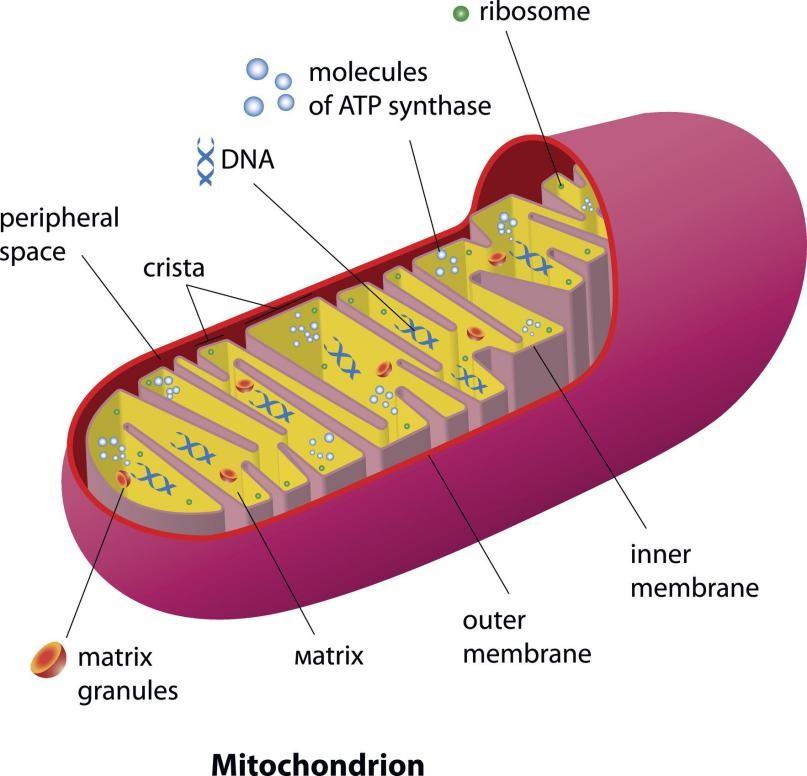
Mitochondria are unique structures within every cell of our bodies. We have trillions and trillions of them, making up approximately 10% of our total body weight. They are considered the “powerhouses of the cell,” generating most of the energy in our bodies by converting nutrition into adenosine-5’- triphosphate (ATP). Thus it behooves us to find a magical medical formula that feed and protect our mitochondria and reverse their decline.
The formula for human rocket fuel for the mitochondria includes but is not limited to:
Full spectrum light from the Sun & Vitamin D
Hydrogen
Oxygen
Magnesium
Bicarbonate (CO2)
Selenium
Iodine
Strong doses of red light,
near infrared
CoQ10 & PQQ
Green Juices, Spirulina,
Chlorella
Intermittent Fasting
Numerous studies have linked caloric restriction to improved
mitochondrial function and increased longevity because intermittent
fasting induces mitochondrial biogenesis and bioenergetic efficiency.[1]
Mitochondria in caloric restriction learn to increase oxygen
efficiency, reduce oxidative stress byproducts, yet are able to
"maintain critical ATP production." Hydrogen
Oxygen
Magnesium
Bicarbonate (CO2)
Selenium
Iodine
Strong doses of red light,
near infrared
CoQ10 & PQQ
Green Juices, Spirulina,
Chlorella
Intermittent Fasting
Mitochondria also love light, especially red light and near infrared. Both spectrums penetrate directly into our mitochondria. Both increased sun exposure (Dhar and Lambert, 2013; John et al., 2004; Kent et al., 2013a; Kent et al., 2013b; Levandovski et al., 2013) and the consumption of green vegetables (Block et al., 1992; Ferruzzi and Blakeslee, 2007; van’t Veer et al., 2000) are correlated with better overall health outcomes in a variety of diseases of aging.
The science that supports the above mitochondrial rocket fuel formula is quite extensive. Until now we could even say it was a secret formula because the studies and medical logic that sustains this presentation have existed but never been put forward in a comprehensive way before.
The Nobel Prize was awarded to Dr. Peter
Mitchell in 1978 for his theory of chemiosmosis. According to his
model, hydrogen is essential in the production of ATP.
It should surprise medical practitioners how superficial modern
medicine has become or the reverse, how deep we can go into medical
knowledge and wisdom. Though a proper protocol for cancer will extend
beyond this mitochondrial formula we can see it as the heart of a cancer
protocol because when we change the performance of our mitochondria we
greatly change cancer dynamics.
Thyroid hormone (T3) has a profound effect on
mitochondrial biogenesis; without T3, there will be less or no
mitochondria. Our mitochondria are dependent on thyroid hormones (thus
iodine) for their very existence. Thyroid hormones are like the “signal”
to make more mitochondria.
With these substances and light energies we can revive and increase
the numbers of functional mitochondria in our cells. We can carpet bomb
cells with these substances without side-effects because there is no
toxicity, especially when the right kind of selenium is used. To work properly, mitochondria need ample oxygen and the right nutrients and hormones to burn brightly.
Magnesium and bicarbonate work to enhance each other. They are mutually reinforcing because magnesium functions as a bicarbonate co-transporter into cells and bicarbonate acts as a transporter of magnesium into the mitochondria.
This formula delivers and works like a ramjet or afterburners in a
fighter plane. Green juices add more charge into our mitochondrial
rocket fuel. Wheat grass juice, barley juice or juices laced with
spirulina or chlorella will take us to the moon and back in term of
accelerating mitochondrial output partially because they provide the
substrates that enable the mitochondria to more efficiently use light
to create energy. Dietary chlorophyll metabolites can modulate ATP
levels.[2]
Selenium improves mitochondrial function even in
the absence of oxidative stress. Selenium has beneficial effects of
endogenous antioxidant activity via GPx, restoration of mitochondrial
function and stimulation of biogenesis, and may also reduce oxidative
stress driven inflammation.
We will explore each of the above ingredients from our mitochondrial
rocket fuel formula in depth starting with selenium, because if the
right type is used, one that sees selenium bonded to a lipid, then we
do double therapy with one substance, mineral plus Lipid Replacement
Therapy (LRT), which is very helpful when our mitochondria are already
damaged. When selenium is bound to a lipid the toxicity
becomes less than one-thousandth of that of the elements in the forms
normally available. So imagine how we can increase the dosage for great
but safe effect. Mitochondrial damage accumulates over time, leading to a number of diseases including diabetes, neurological disorders, and heart failure and cancer. It is possible to reverse mitochondrial damage, but interventions are best made early on in the dysfunction before the damage becomes irreversible. Stronger mitochondria make for stronger brains and stronger bodies. So does consistency: mitochondrial biogenesis, or creating new mitochondria, becomes crucial for vibrant aging, optimal energy production, and protection against oxidative stress.
During a red light therapy treatment,
chromophores within our cellular mitochondria absorb red and infrared
light photons, and convert them into energy.
Cancer patients should know that damaged mitochondria can turn
healthy cells into transformed cells, and that healthy mitochondria can
reverse cancerous behavior in tumor cells. If they cannot do that they
trigger cell death. Thus today, more than ever before, we need a
formula for mitochondrial rocket fuel. Metabolic normalization of
cancer cells and concomitant inhibition of carcinogenesis may
potentially be attained by induction of mitochondrial biogenesis and
mitochondrial correction.
Conclusion and the Case for Bicarbonates
Going back to medical basics, if there’s one thing that mitochondria
thrive on, its oxygen. Cellular respiration is the process cells use
to make energy. The mitochondria combine glucose and oxygen to make ATP
and carbon dioxide. Hydrogen ions are flowing through ATP synthase to
make ATP. The presence of CO2 is a measure of health in cells and that
is one of the reasons why bicarbonates are so useful in the treatment
of cancer. As CO2 is a hallmark of health lactic acid is the hallmark of cancer. When we flood the body with bicarbonates it inhibits lactic acid production, reverses acidification, which fully rescues circadian oscillation. When the acidity of hypoxic patches deep in tumors is neutralized the worst hardest to treat cancer cells, difficult to defeat by even the most toxic means, become vulnerable.
This comes from the latest research from a Ludwig Cancer Research study. In my most recent essay on sodium bicarbonate I make the case why bicarbonate should be used in every case of cancer because deep inside tumors, where oxygen deprivation and acidic conditions go hand in hand, bicarbonate comes to the rescue. The evidence for a return to more normal conditions in these cells is marked by a return of CO2 and a diminishing of lactic acid.
Acid is produced as a response to hypoxia. Acidic conditions in tissues shut off a lot of things including circadian oscillation. The process of cancer starts in the mitochondria when normal oxidation and CO2 production shuts down in favor of fermentation and the creation of lactic acid instead of CO2. Reversing that reverses cancer though we never rely on only one substance to save a person of this frightening disease, as our human rocket fuel protocol suggests.
Additions to the Mitochondrial Formula
An important step in correcting damaged mitochondria involves
addressing lifestyle factors. Studies show that increasing physical
activity improves mitochondrial function, so encouraging regular
moderate exercise is essential (Anand et al., 2008; Klement &
Kämmerer, 2011; Seyfried, 2015). Combining exercise with a diet rich in
organic vegetables and moderated in organic, grass-fed meats, free
range poultry and wild caught fish and very low in refined carbs and
sugar may be essential. In addition, implementing reduced stress
practices, such as meditation or yoga, as well as ensuring good
sleeping habits are also important. Finally, detoxifying the body by
removing fat-stored xenobiotics that inhibit mitochondrial function
while replacing essential components should substantially help improve
mitochondrial function.
No comments:
Post a Comment