The
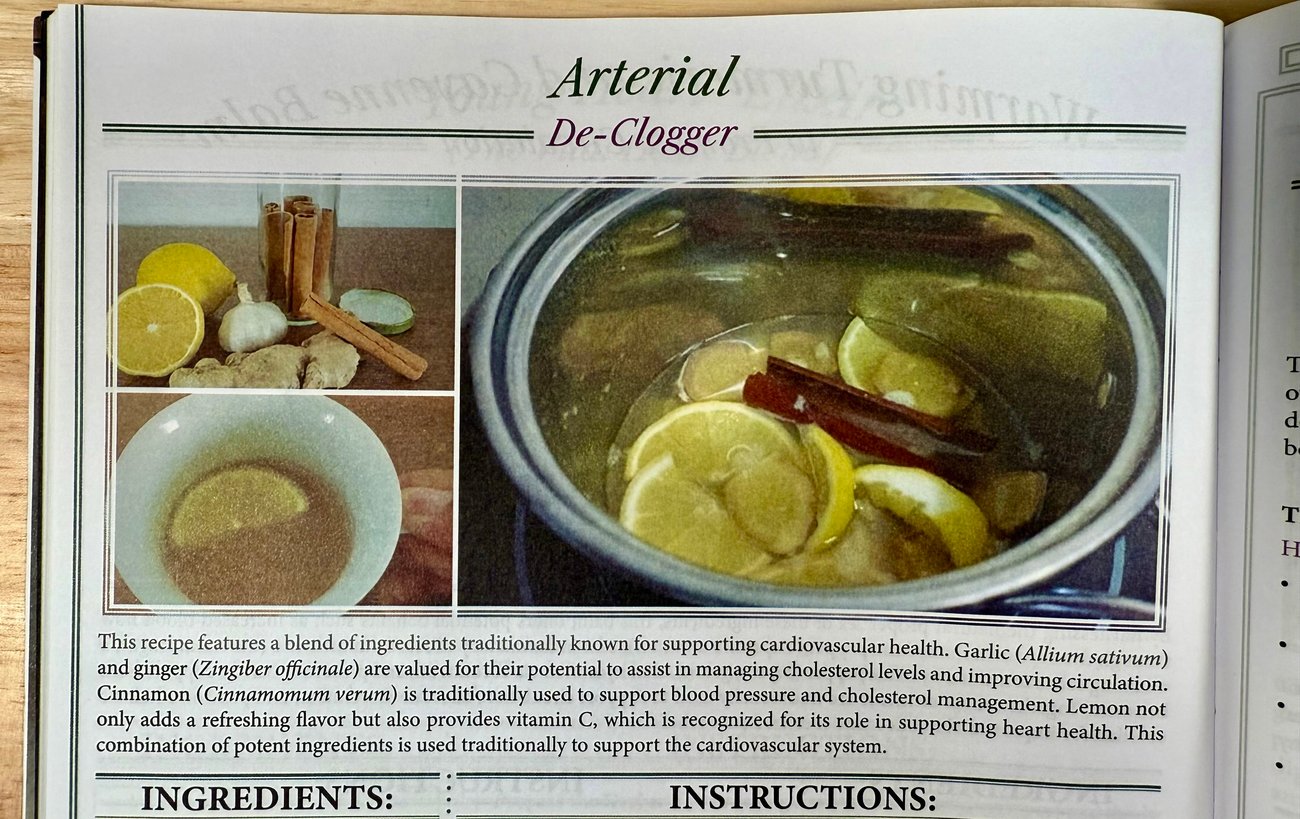
ingredients cost about 50 cents per serving. Now compare that to
cardiovascular supplements at the health store that run $30-50 a bottle
and often contain synthetic compounds your body barely recognizes.
Here’s the complete recipe with the exact ratios and step-by-step pictures so you can start making it today. You’ll also discover the recipe for Circulation-Boosting Turmeric & Cayenne Balm, plus nearly 300 other powerful herbal remedies you can make at home. Let’s move on to the next herbs and remedies.
Ginkgo BilobaYou
know ginkgo for brain health, but here’s what makes it exceptional for
circulation: its unique compounds called ginkgolides block
platelet-activating factor (PAF)—the chemical that makes your platelets
dangerously sticky. Studies show ginkgo extract dose-dependently
inhibits platelet clumping induced by ADP and collagen, while increasing
platelet cAMP levels that keep blood flowing smoothly.
This
multi-pathway action is why ginkgo works so well, but also why you need
to respect it. Stop ginkgo 1-2 weeks before any surgery or dental work
to avoid excessive bleeding.
Willow BarkBefore
pharmaceutical companies synthesized aspirin, your ancestors chewed
willow bark. It contains salicin, which your body converts to salicylic
acid—aspirin’s natural cousin. Clinical trials confirm that 7 days of
willow bark extract significantly lowers platelet clumping, though more
gently than pharmaceutical aspirin.
For
those who can’t tolerate regular aspirin’s stomach upset, willow offers
a friendlier alternative. Take enteric-coated forms with food for best
results.
Dong QuaiTraditional
Chinese medicine has treasured Dong Quai for centuries, especially for
women’s health. Now science reveals why: it contains natural coumarin
derivatives and ferulic acid that inhibit platelet aggregation triggered
by ADP and collagen. Its ligustilide compound relaxes blood vessels
while deterring platelet clumping—a perfect combination for healthy
circulation.
Women
struggling with circulation issues post-menopause often find Dong Quai
particularly beneficial, though anyone can harness its power under
proper guidance.
TurmericThat
vibrant yellow spice isn’t just for curry. It’s a cardiovascular
powerhouse. Curcumin, turmeric’s active compound, doesn’t just prevent
clots; it actually promotes fibrinolysis, meaning it helps your body
break down clots that are already forming.
A
2022 analysis found curcumin helps prevent atherothrombosis and
dangerous embolic clots (when a clot breaks loose and travels to block
another vessel—often with fatal results). Research shows it’s both
anti-inflammatory and anticoagulant, giving your blood vessels a double
layer of protection.
Your move:
Mix a teaspoon of turmeric into warm milk with honey and black pepper
(the pepper helps your body absorb curcumin by 2000%). Drink this
“golden milk” before bed for maximum benefit.
CayenneLove
spicy food? Your heart does too. Cayenne pepper’s capsaicin exhibits
both antiplatelet and anticoagulant activity, meaning it attacks clot
formation from two angles. It also reduces LDL oxidation, keeping your
blood vessels healthy and clear.
Medical
journals confirm that capsaicin slows clotting while promoting overall
vessel health. Even a small amount makes a measurable difference.
Your move:
Add a pinch of cayenne to your morning eggs, soups, or even hot
chocolate (yes, really, it’s a Mexican tradition). Start small if you’re
heat-sensitive and build up gradually.
Look,
I get it. You’re busy. Crushing garlic, grating ginger, and measuring
turmeric every single morning isn’t realistic for most people. Life gets
in the way, and before you know it, weeks have gone by without taking
care of your heart.
Here’s what I’ve learned after years of teaching people about herbal medicine: the best remedy is the one you’ll actually take consistently.
That’s
why I’m grateful Nicole’s Apothecary exists. Nicole has been
formulating herbal remedies for over 15 years. She’s the herbalist other
herbalists trust with their own families. Her Heart Tincture
combines the most powerful cardiovascular herbs we just talked about:
hawthorn, cayenne, garlic, and ginger, professionally extracted and
properly dosed.
Two droppers under your tongue, twice a day. That’s it. What
I see happen consistently: people’s blood pressure readings stabilize.
Their circulation improves, cold hands and feet warm up. Their doctors
note better cardiovascular markers at checkups. Not because these herbs
are magic, but because they’re finally getting consistent support
instead of sporadic attempts that peter out after a few weeks.
Get the Heart Health Blend here and make heart protection as simple as brushing your teeth. Because consistency beats perfection every single time.
FeverfewIf
you’ve used feverfew for migraines, you’ve already experienced its
blood benefits. Feverfew contains parthenolide, which blocks the release
of serotonin and thromboxane from platelets, essentially calming down
platelet activity. This is partly why it works for migraines: better
blood flow in brain vessels means fewer headaches.
Beyond
headache relief, you’re simultaneously supporting your cardiovascular
system. That’s the beauty of herbal medicine: one plant, multiple
benefits.
SaffronThe
world’s most expensive spice earns its price. Saffron’s carotenoids
(crocin and crocetin) demonstrate remarkable ability to inhibit platelet
aggregation while protecting platelets from oxidative stress. Lab
studies show it may even inhibit certain coagulation factors, though
human data is still emerging. Use
culinary amounts in rice dishes, teas, or golden milk. A little saffron
goes a long way. Both in flavor and cardiovascular protection. | 



No comments:
Post a Comment